Edinburgh 특집호
Riding Edinburgh's Forth Bridge in Cold October Light
Low October light is when the 1890 cantilever looks its best, and the boats stop for the winter at the end of the month, so you have a few weeks to cross it by train, walk the footpath beside it and sail underneath.

글: Margaux SinclairThe city read by its closes and stairwells
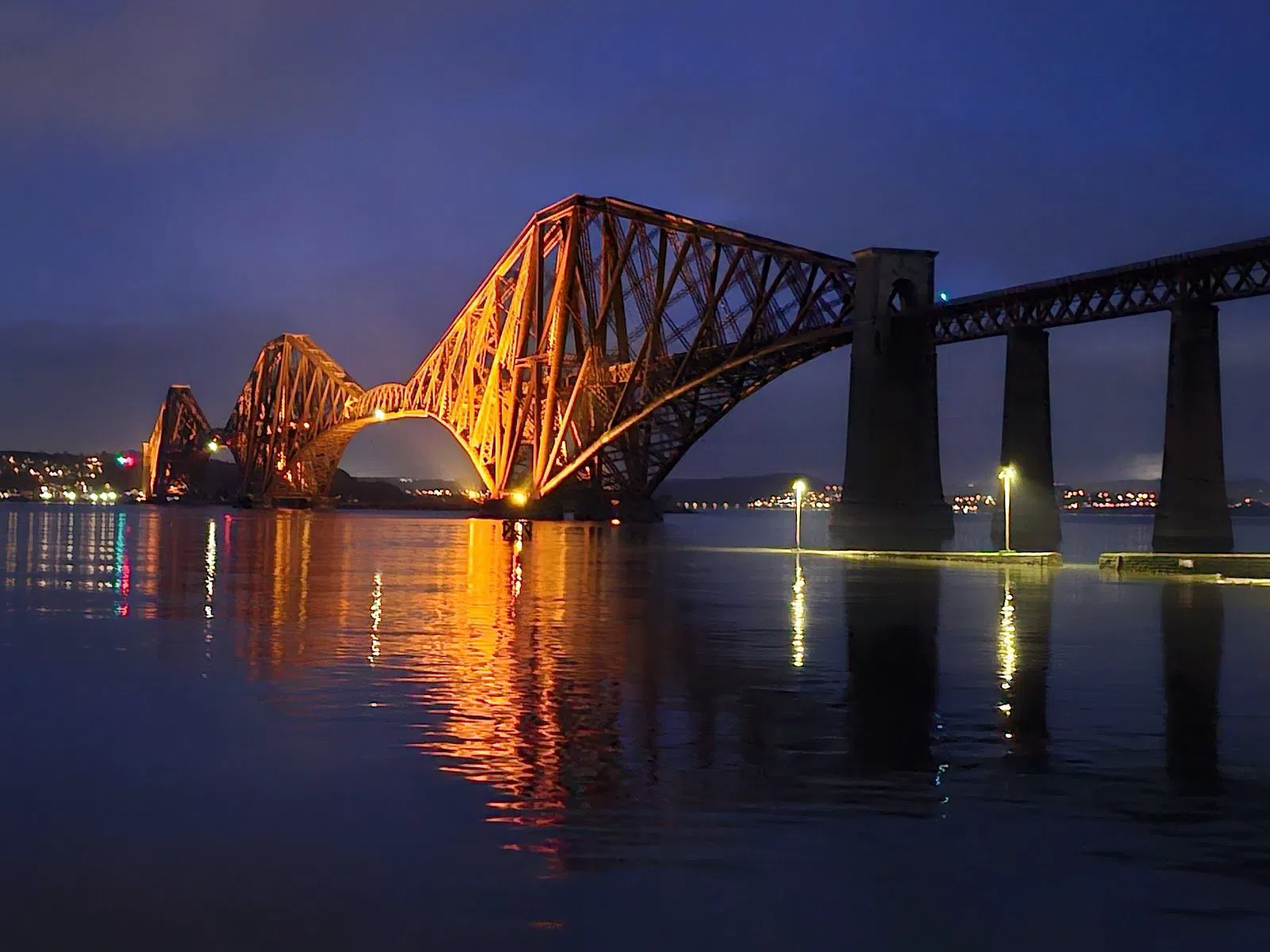
At half past eight on an October morning the Forth Bridge stops looking like infrastructure and starts looking like weather: three steel diamonds the colour of dried blood, standing in a firth the colour of wet slate, with haar peeling off the water in long grey ribbons. I have walked the footpath beside it in a crosswind that made my eyes stream and my notebook useless, and I have stood on the same spot at four in the afternoon in flat windless sun, when the cantilevers went the exact orange of a struck match. October hands you both, sometimes within the same hour, and that is reason enough to come now instead of in July.
What the red steel actually is
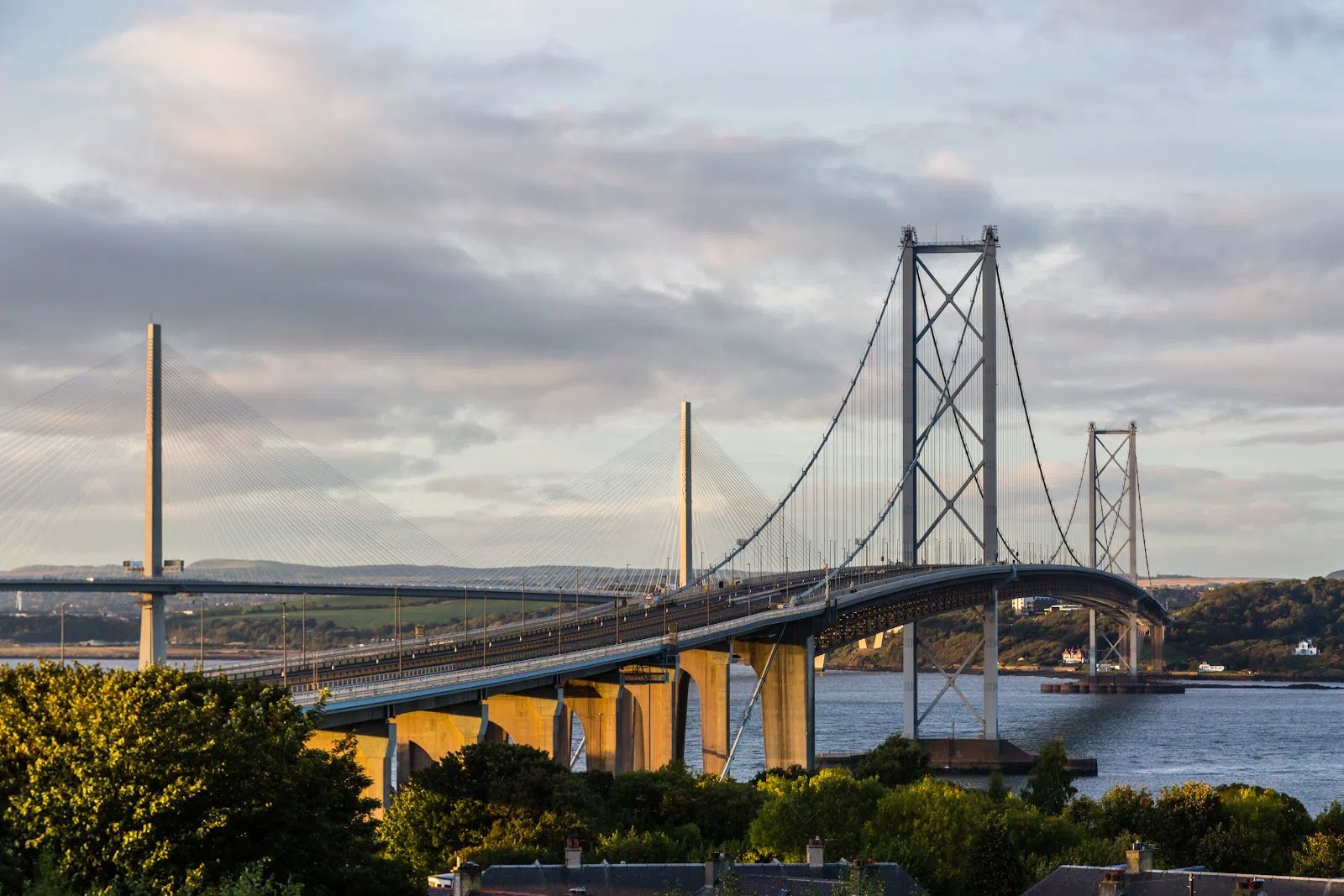
The Forth Bridge (the 1890 rail crossing between Dalmeny on the Edinburgh shore and North Queensferry in Fife) was the world's first major steel structure, and has been UNESCO-inscribed since 2015. There is no ticket, no gate and no opening time, so it is the rare World Heritage site you can study for a full hour without anyone trying to hang a lanyard round your neck. From the right spot you also get the other two crossings in one frame, the 1964 suspension bridge and the 2017 Queensferry Crossing, which puts roughly 130 years of engineering taste shoulder to shoulder in the water.
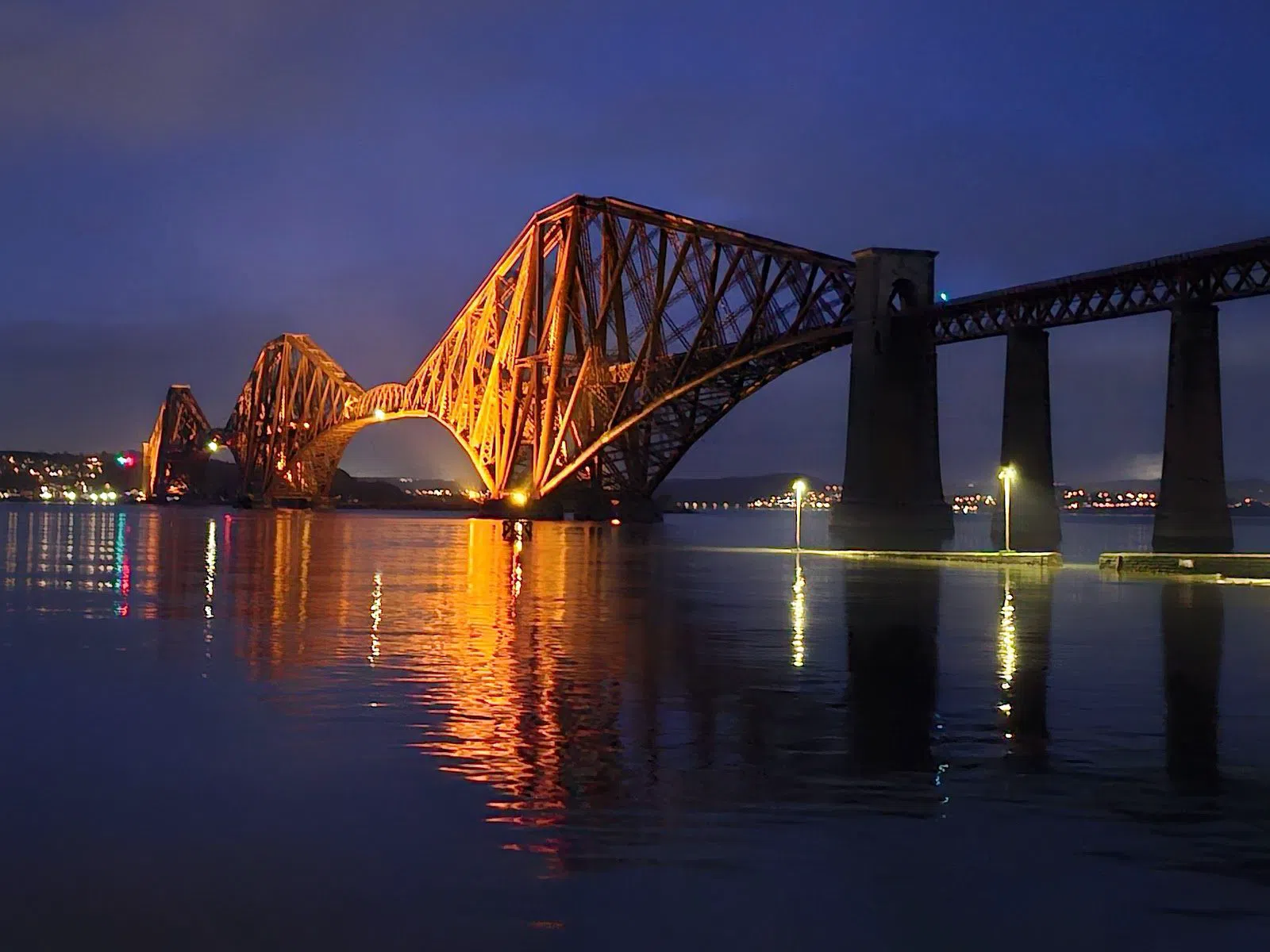
You cannot walk on the 1890 bridge. The only public route onto the structure itself is the annual Barnardo's platform event, which runs in September and is not running in October. Anyone implying otherwise is selling you the road bridge next door, a fine walk, but a different bridge.
Edinburgh 여행 계획하기
예약 파트너의 실시간 가격입니다.
많은 객실이 무료 취소 가능합니다. 예약 시 당사가 수수료를 받을 수 있습니다.
The three-minute crossing
The cheapest way to properly do the Forth Bridge is to ride it. The ScotRail hop from Dalmeny to North Queensferry costs about £2.15 one way, or about £3.65 if you start at Edinburgh Waverley, and it takes three minutes over the water. You travel inside the lattice rather than on top of it, so the view arrives in flickers between girders (grey water, red steel, grey water), and the payoff is the moment the train comes off the north cantilever above the rooftops of North Queensferry with the whole span suddenly behind you. It is the best £2.15 in the region, and I have paid it in both directions on the same morning purely to see it twice.
Groups are unrestricted at the bridge itself; the constraint is the trains. Avoid the commuter peaks with a party of any size, before nine in the morning and between half four and half six, because a two-car service carrying a coach party is nobody's idea of a heritage experience.
The best view is from the footpath
Forth Road Bridge east footpath (signposted from the South Queensferry bridgehead) is the finest free view of the 1890 bridge anywhere, and I say that having tried the lot. It runs 1.5 miles one way, 30 to 45 minutes at a strolling pace, and you spend all of it looking sideways at the cantilevers from a height that flatters them. The path stays open year-round except in winds above 50mph, so ring Bridge Control before setting out on a gusty October day. The west path has been shut to the public for years, so don't waste an hour hunting for a loop that doesn't exist. It narrows to single file where cyclists on National Cycle Route 1 come through, and they come through fast.
Where all three bridges line up
Forth Bridges Viewpoint (South Queensferry, EH30 9QU) is the one place where the 1890 cantilever, the 1964 suspension bridge and the Queensferry Crossing sit in a single photograph. Free open-air terrace, its own car park, toilets, and a coffee kiosk charging a few pounds. The kiosk is small and queues within minutes of a coach arriving, which matters if warm hands are load-bearing for the rest of your morning. Coach parties and school groups are fine here; there is no headcount to clear. Treat it as the first stop, take your bearings and your photograph, then drop down into the village.
Out on the water while the boats still run
Two licensed operators sail from Hawes Pier, and October is the tail of their year rather than the middle. Maid of the Forth (Hawes Pier, South Queensferry) runs a 90-minute cruise under all three bridges from about £18 adult and £10.50 child, passing seal colonies on the way out, plus a three-hour Inchcolm trip at about £21 and £12 with abbey admission on top. Its main season runs roughly April to October, so phone before you build a day around it. It takes groups openly: private charters, school and educational visits, birdwatching parties, even weddings, which tells you how adaptable the boat is.
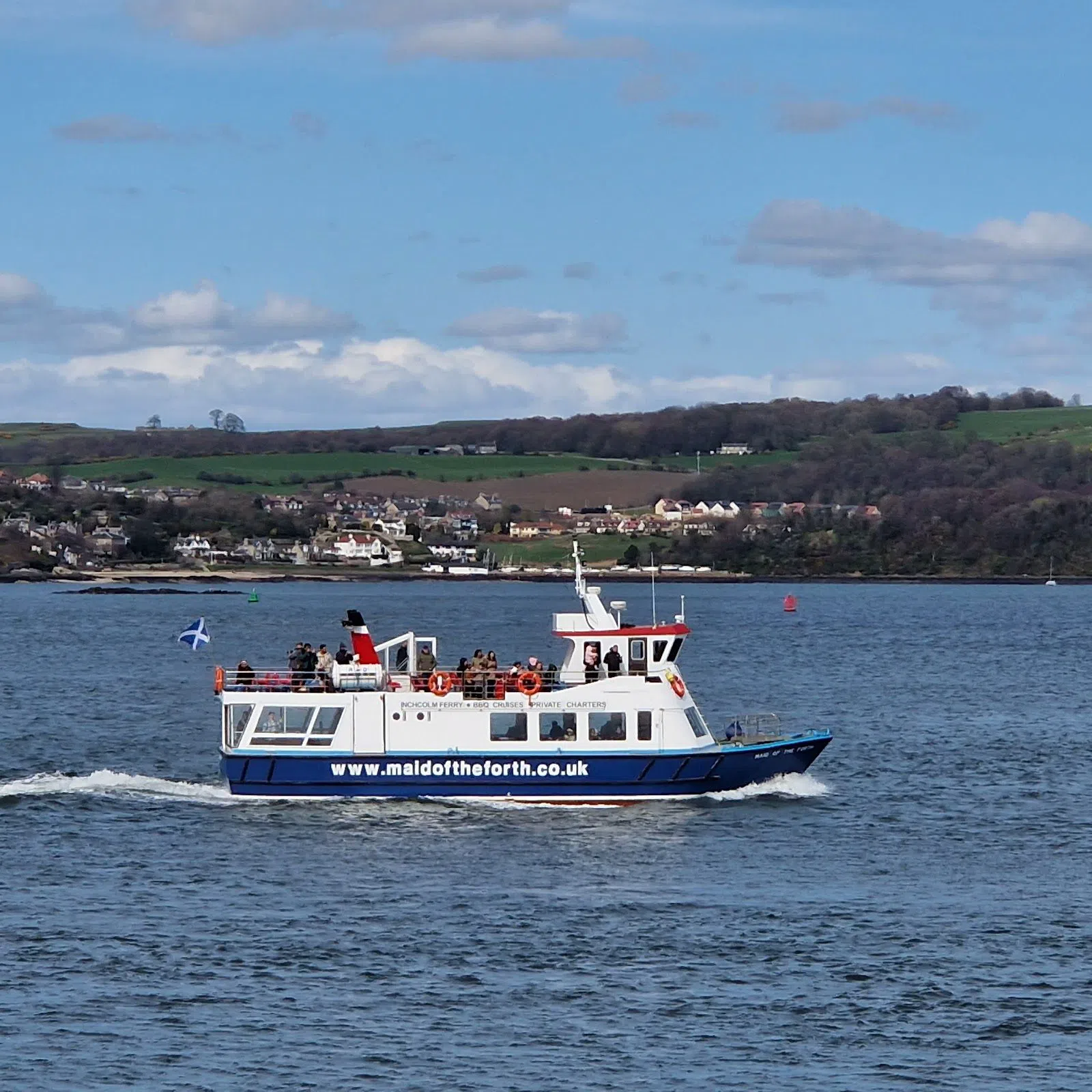
Forth Boat Tours (the second operator at the same pier) sails daily to roughly 31 October, from about £18 adult with under-fives free, and is the only one running a Blackness Castle cruise. On a cold wet October sailing the thing that genuinely decides your afternoon is the heated indoor saloon and the onboard bar, and I would pay the difference for either without blushing. Group rates start at 15 passengers, coach and school groups are welcome, and corporate private charters are standard.
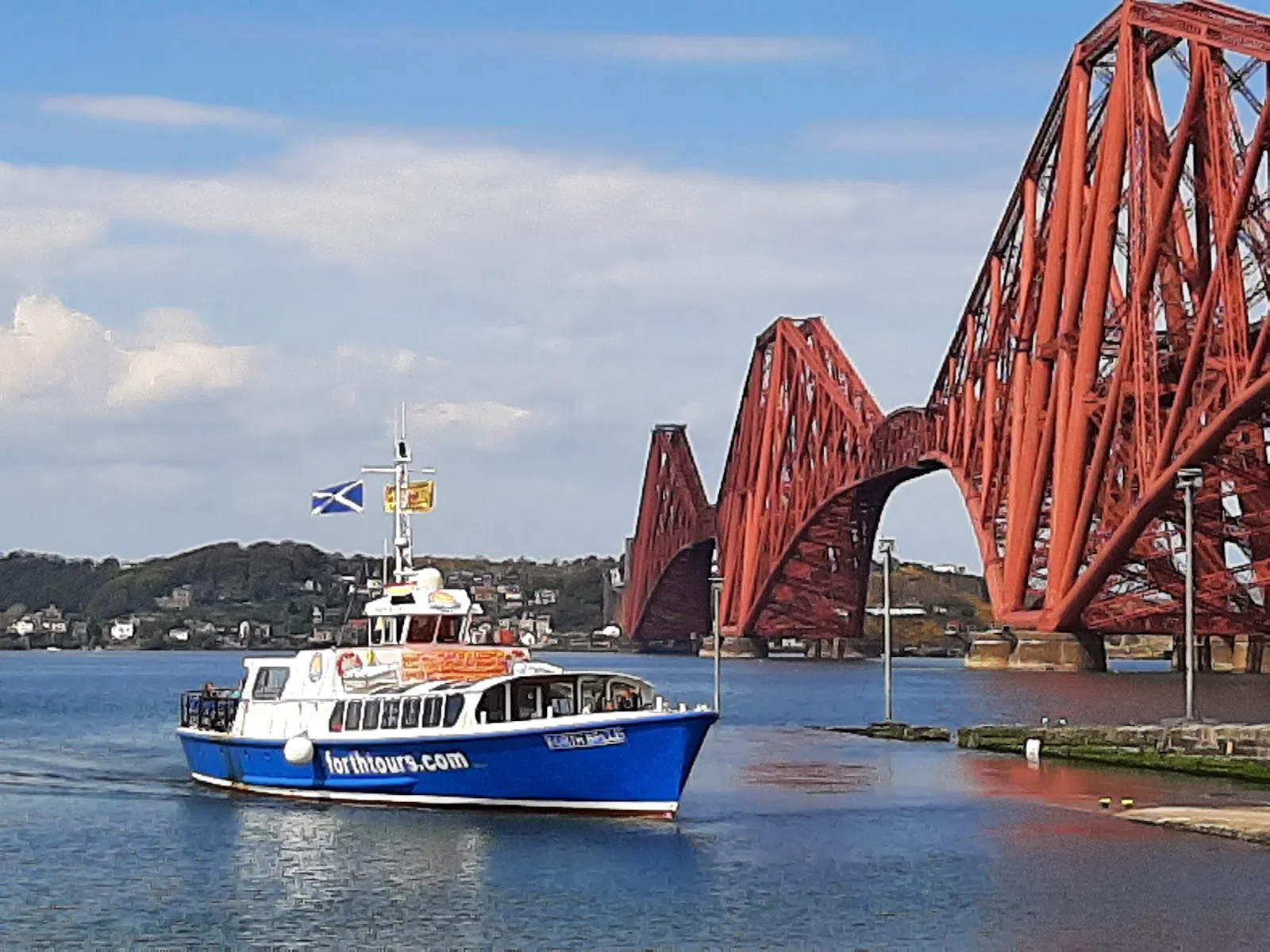
Inchcolm before the gates shut for winter
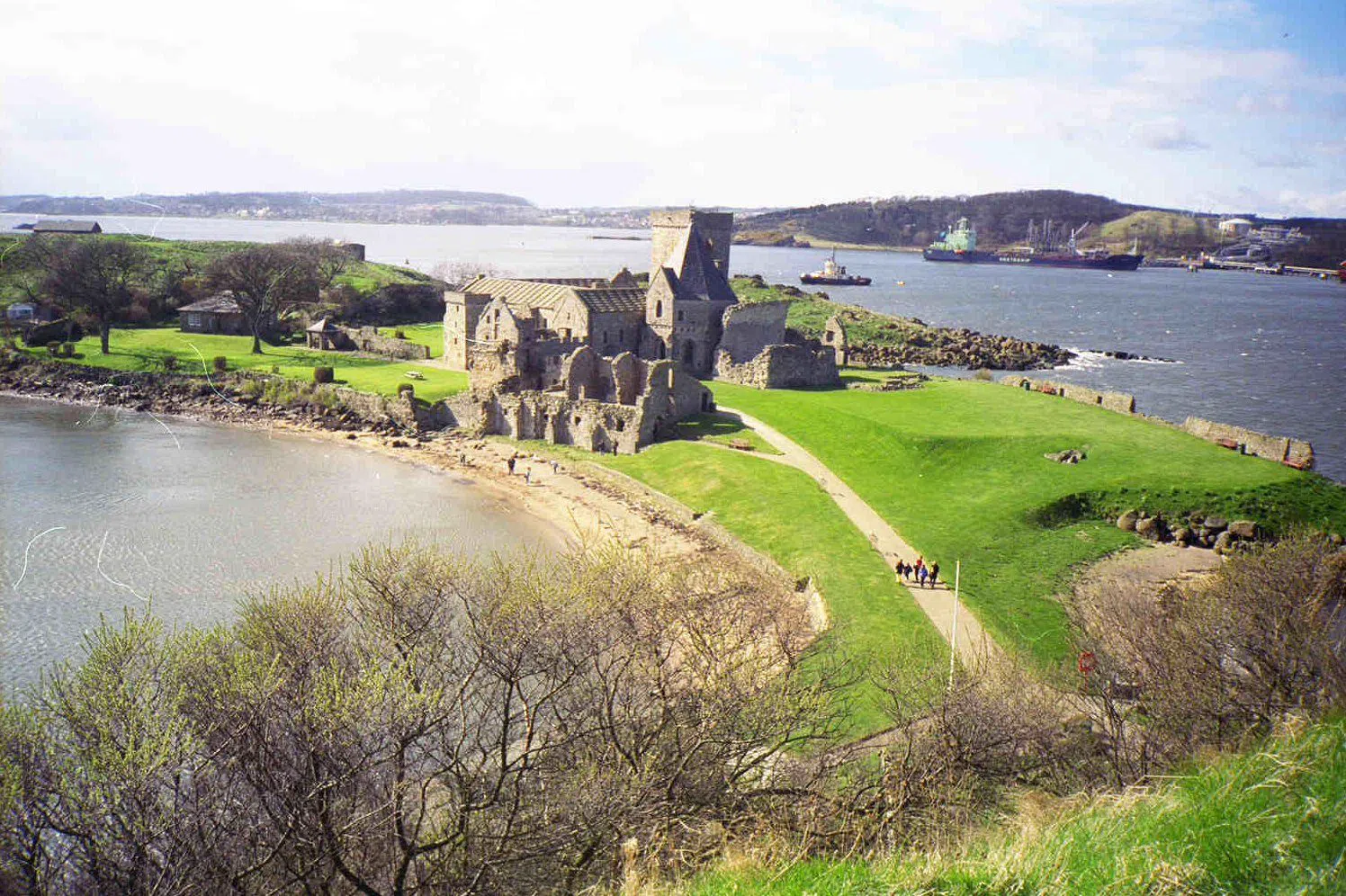
Inchcolm Abbey and Island (reached only by the two Queensferry boats) is the strongest half-day add-on to the bridge, and October is the very last of it: open daily 1 to 31 October, 10.30am to 4.30pm, last entry 45 minutes before close, then shut until April. Admission is about £8.50 adult, £6.80 over-65 and £4 for children aged 7 to 15, on top of the boat fare, and advance booking is mandatory because your group size is capped by the boat rather than the island. The gulls treat the cloister as theirs and will tell you so. The caveat is 20 stone pier steps and a narrow gangway, which rules it out for anyone unsteady on their feet, and no amount of goodwill from the crew changes that.
The two indoor stops on the Fife shore
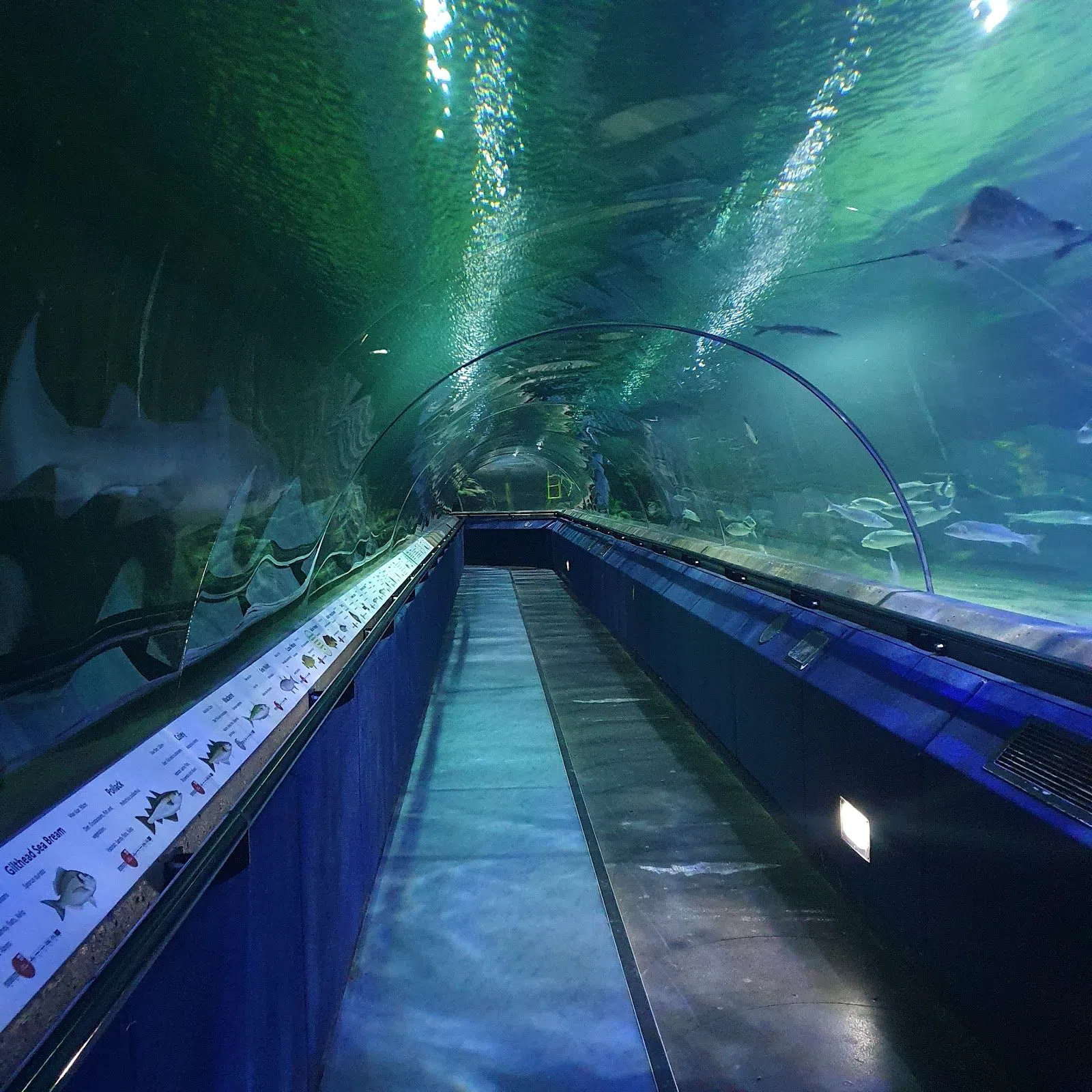
Deep Sea World (North Queensferry, in the old Battery Quarry directly beneath the north end of the bridge) is the wet-weather fallback, and in October you will probably need it. About £17.50 adult, £12.75 junior 3-12, a family ticket around £58.50, under-threes free, with two to three hours of content including a walk-through shark tunnel. It is 15 minutes by train from Edinburgh, with free parking if you drive. Winter hours are shorter, so check before a late-afternoon arrival; turning up at four to find the doors closing is a dull end to a good day. There is a proper groups operation for coach and school parties, but book rather than arriving en masse.

Forth Bridges Lighthouse Museum (North Queensferry harbour) is the opposite proposition, and the most charming thirty minutes on either shore: Robert Stevenson's 1817 tower, billed as the smallest working light tower in the world, run by volunteers of the heritage trust. Free, donations welcome, with an Honorary Keeper lamp-lighting for a suggested £20 donation that is the best-value piece of theatre in either village. It opens daily only weather permitting, only a few people fit in the lamp room at once, and there is no parking at the pier. Email the trust ahead for anything above a handful of people, or you risk making the journey for a locked door.
Where to eat on either shore
The Hawes Inn (South Queensferry, thirty seconds from Hawes Pier) is the default before or after a cruise, with pub mains around £14 to £20 and 14 rooms trading as The Hawes Inn by Innkeeper's Collection. Robert Louis Stevenson stayed here and the inn appears in Kidnapped, a fact the staff mention with admirable restraint. The dining room is used to cruise and coach trade, so book ahead for a group; it is also the warmest place in the village to wait out a squall, and in October you will wait out at least one.

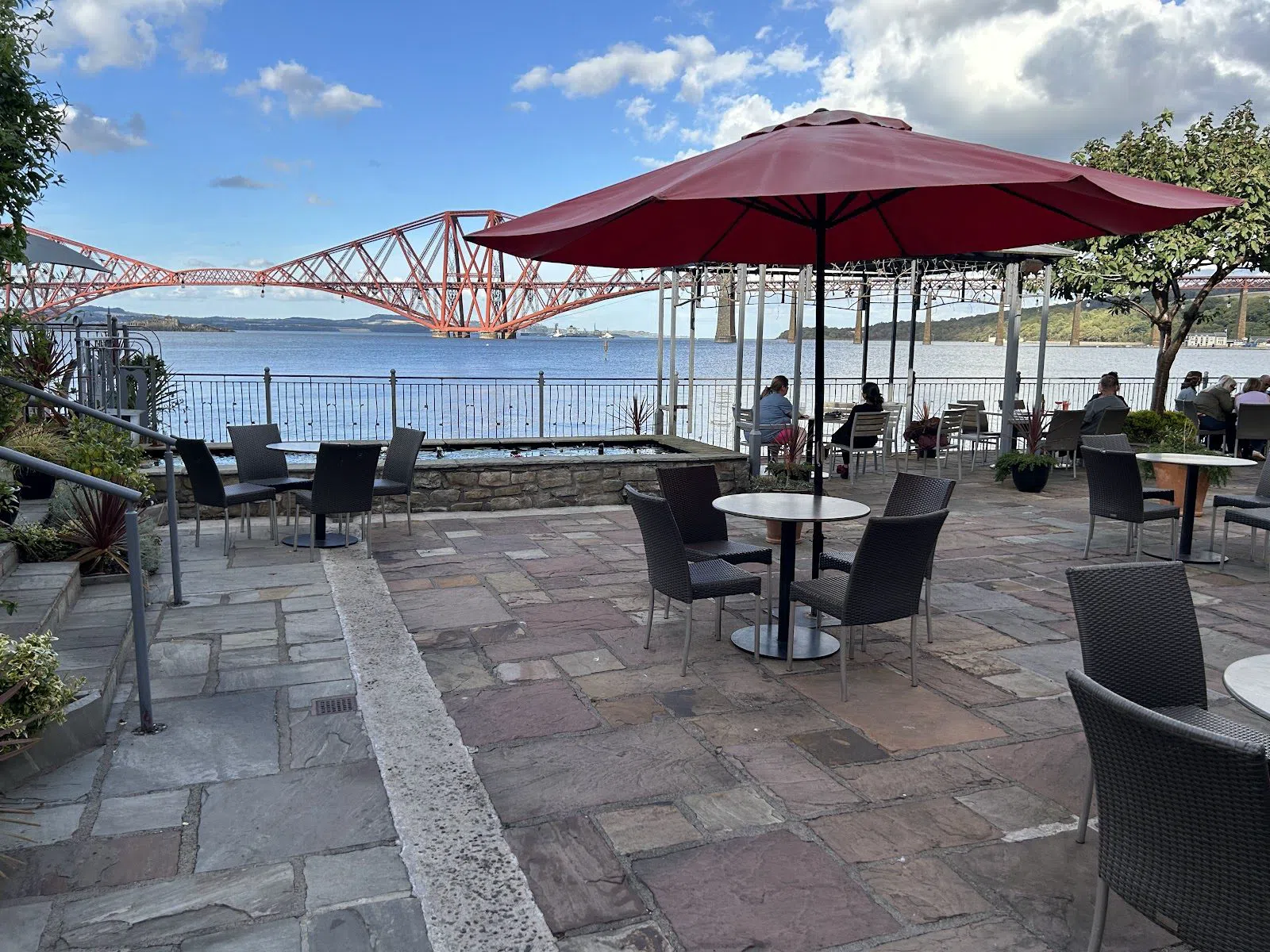
Orocco Pier (South Queensferry waterfront) is the splurge, with one of the clearest outlooks over the water here, but mind the split operation. Antico Café Bar runs all day from 7am, while Samphire Seafood Bar & Grill opens evenings on Thursday and Friday and from noon at weekends, at £25 to £40 a head plus drinks, so a Monday dinner there is simply not on. A dedicated events room with floor-to-ceiling windows handles larger parties.
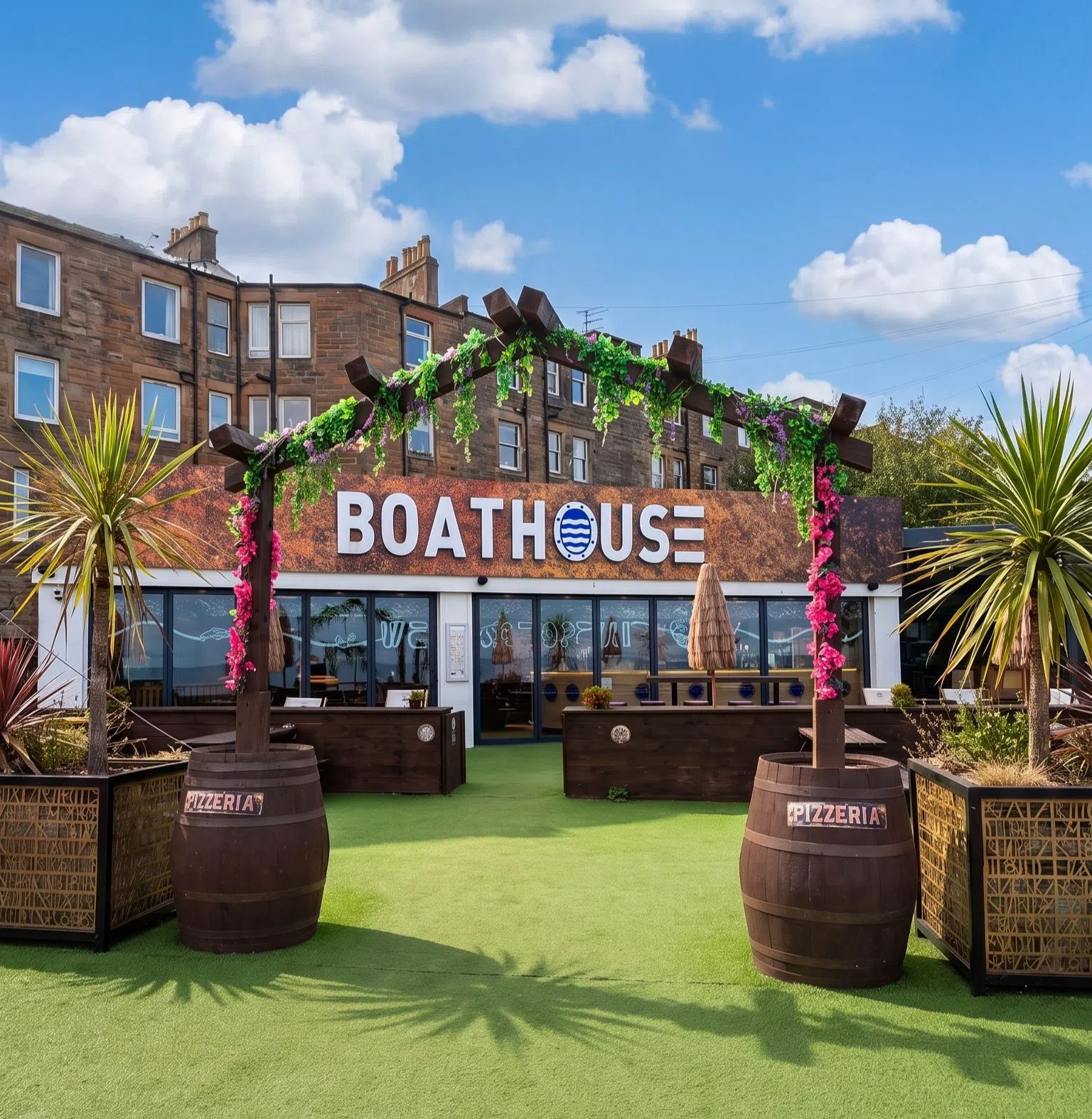
The Boat House (South Queensferry, with the water right under the terrace) is the seafood specialist and my pick for two people rather than ten: a compact dining room, roughly £20 to £35 a head for mains, open Tuesday to Sunday and closed Mondays, kitchen stopping around 8pm. An early dinner, then, not a late one. Phone for anything over a handful of people rather than hoping.
Scotts Bar & Restaurant (Port Edgar marina, 20 minutes' walk west of the High Street) has the widest three-bridge panorama of any restaurant in the area, running from fish and chips up through dry-aged steaks, open from 9am daily and late at weekends, with free parking and a room built for volume, where large tables and functions are routine. Ask specifically for a bridge-view table when you book, because not all of them have one and nobody volunteers that over the phone.
The Wee Restaurant (North Queensferry, a short walk from the station) is the best cooking on the Fife side, upper-mid at roughly £35 to £55 a head for set lunch or à la carte, open Tuesday to Saturday for both services. Two October caveats: it closes from Sunday 25 October to Monday 2 November, and the seven steep entrance steps mean it is not wheelchair accessible. Maximum table size is eight unless you take exclusive hire, and parties of seven or more must book by phone.
Getting onto the water yourself
Edinburgh Watersports (Port Edgar Marina, formerly Port Edgar Watersports) runs sailing, sea kayaking, paddleboarding, windsurfing and powerboating from sheltered water right beside the bridges, from roughly £30 for a taster session upwards. It is genuinely built for groups, with adult and junior courses, holiday camps and corporate days. October sessions are weather-dependent and limited, and online booking closes 14 days out, so phone for short notice instead of assuming. Paddling beneath a 136-year-old cantilever is a particular kind of showing off, and worth every stroke.
Is it worth it
Yes, as long as you understand what you are buying. The Forth Bridge is an object you orbit rather than a place you enter, and done properly (viewpoint, footpath, a crossing by train, lunch over the water) that orbit is a four to six hour day costing under £20 a head before food. It is the most honest piece of Victorian ambition you will see on a short break. It suits photographers, engineers, anyone travelling with a teenager who claims not to like old things, and couples who want a day out of the city without a coach seat. It suits small children less well unless you build the aquarium into the plan, and anyone with mobility limits is better served on the shore side than out on the island.
If you would rather not assemble the day yourself, a guided option exists and is attached to this page rather than described here. For a sense of how well-trodden this corner of an itinerary is: there are 17,120 traveller reviews across the bookable tours here, the top one rated 4.8 out of 5 from 7,368 reviews, and it operates seven days a week. Reviews on that top tour are landing at about 3.9 a day, so it is being booked steadily; sort it a day or two ahead rather than at the pier.
Best time to go in October
Light decides everything. Sunset slides from roughly 6.45pm at the start of October to roughly 4.30pm at the end, and the clocks go back on Sunday 25 October, so an itinerary that worked on the 20th is finishing in the dark by the 26th. Low sun flatters the red steel far more than high sun does: aim for the first two hours after sunrise or the last two before sunset, and take the footpath in the afternoon, when the light comes off the water onto the cantilevers rather than straight into your lens.
Weekdays beat weekends for the kiosk, the restaurants and the trains alike. If you only have one slot, make it a weekday afternoon with the wind under 50mph, and keep a loose plan rather than a timed one, because the firth changes its mind faster than you can rebook anything. Dates to work around: Inchcolm shuts after 31 October, the boats wind up at about the same point, and The Wee Restaurant goes dark from 25 October. Pack for the water rather than the city, because it is reliably colder and a great deal windier on the bridges than it is on Princes Street, and a hood beats an umbrella every time.
Practical notes
Trains from Edinburgh Waverley to Dalmeny, the station for South Queensferry, run frequently and take about 15 minutes; North Queensferry is the next stop, across the bridge. Contactless and the rail app both work, so no ticket office faff. Drivers get free parking at the Forth Bridges Viewpoint, at Deep Sea World and at Port Edgar, and nothing at all at the lighthouse pier.
Nowhere here demands cash, but coins make the lighthouse donation box and the coffee kiosk smoother.
Half a day covers viewpoint, footpath and the train crossing. A full day is Inchcolm or the aquarium plus a proper lunch. On cost, two people doing train, cruise and a pub lunch land around £80 to £100 all in, while the free version (viewpoint, footpath, and the three-minute hop) comes in under £10 a head.
Most people do this as a day trip and sleep in town, which is the sensible call; start with the Edinburgh hotel search, or take one of the Hawes Inn's 14 rooms if you want to wake up under the span. For everything else in the city, our Edinburgh guide is the place to begin.
떠나기 전에
Can you walk across the Forth Bridge?
No. The 1890 rail bridge has no public walkway, and you can only get onto the structure during the annual Barnardo's platform event, which runs in September, so not in October. The walk people usually mean is the east footpath on the Forth Road Bridge next door, which is free and open to anyone, and it gives the best view of the red steel anywhere.
What is the cheapest way to cross the Forth Bridge?
The three-minute ScotRail hop from Dalmeny to North Queensferry, about £2.15 one way, or about £3.65 from Edinburgh Waverley. Nobody sells a ticket to look at the bridge and there is no gate to pass, so the fare is all you spend unless you add a cruise or the aquarium.
Are the Forth boat trips still running in October 2026?
Partly. Forth Boat Tours sails daily from Hawes Pier to roughly 31 October, and Maid of the Forth's main season runs about April to October, so phone to confirm a specific date. Inchcolm Abbey and Island is open daily 1 to 31 October, 10.30am to 4.30pm with last entry 45 minutes before close, then shut until April.
How much time should I allow for the Forth Bridge?
Half a day covers the Forth Bridges Viewpoint, the 1.5-mile east footpath (30 to 45 minutes one way) and the train crossing. Make it a full day if you add a 90-minute cruise, the three-hour Inchcolm trip, or two to three hours at Deep Sea World on a wet afternoon.
Is the Forth Bridge area accessible for wheelchair users and less mobile visitors?
The shore side is manageable: the Forth Bridges Viewpoint is a level open-air terrace with its own car park and toilets, and the east footpath is flat though single-file in places. Inchcolm is out, with 20 stone pier steps and a narrow gangway, and The Wee Restaurant has seven steep entrance steps and is not wheelchair accessible.