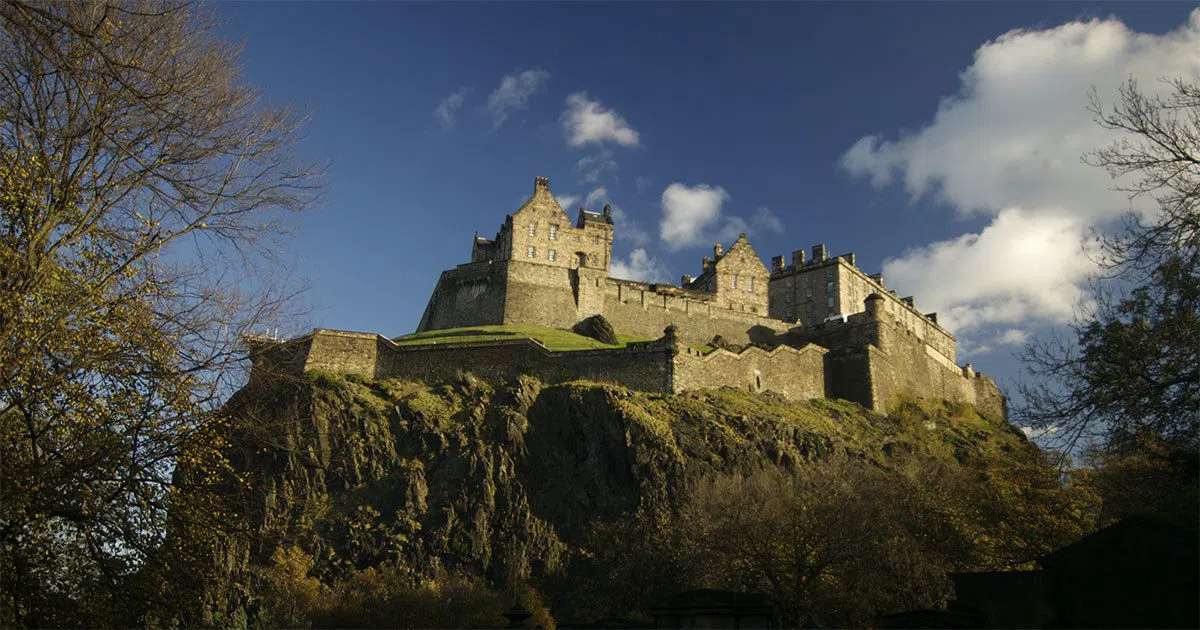

Climb the Lawnmarket before eight and you hear the castle before you see it: gulls over the Esplanade, a delivery van grinding up the cobbles, the flat crack of the flag in wind that has come off the Firth with nothing in its way to slow it down. Then the street runs out of buildings and there is the rock, a volcanic plug dropped into the middle of a capital city with a fortress bolted onto the top of it. Historic Environment Scotland counts around two million visitors a year through that gate, and on a July morning it feels as though every one of them booked the same eleven o'clock slot you did.
What you actually see on the rock
Edinburgh Castle (Castlehill, the top end of the Royal Mile) is a small walled town on a cliff rather than one building you file through, and understanding that changes how you plan the visit. You come in off the Esplanade, climb through the gatehouse, and the path immediately switchbacks upward past the batteries, where the cannon face north over the New Town and the Firth beyond it; on a clear day you can pick out the bridges. Higher up sit the pieces everyone comes for: the tiny twelfth-century chapel that is the oldest surviving building in the city and holds about twenty people at a squeeze, the Great Hall with its hammerbeam roof, the enormous medieval siege gun parked outside, and the vaults beneath, where prisoners of war carved their names into the doors. They fire a gun at one o'clock most days, which makes half the courtyard jump and the other half pretend they knew it was coming; the firing schedule is posted at the gate, so glance at the board on the way in.
The Crown Room reopened in 2026 after refurbishment, with a new bespoke case built for the Honours of Scotland: the crown, sceptre and sword of state. It is a genuine hush of a room, and you will queue longer on the approach ramp than you spend inside it, which is how it goes anywhere crown jewels are kept. One thing to know before you build expectations around it. The Stone of Destiny left in 2024 for a museum elsewhere in Scotland and is no longer on the rock. People still hunt for it, and there is nothing sadder than watching someone work the whole room twice.
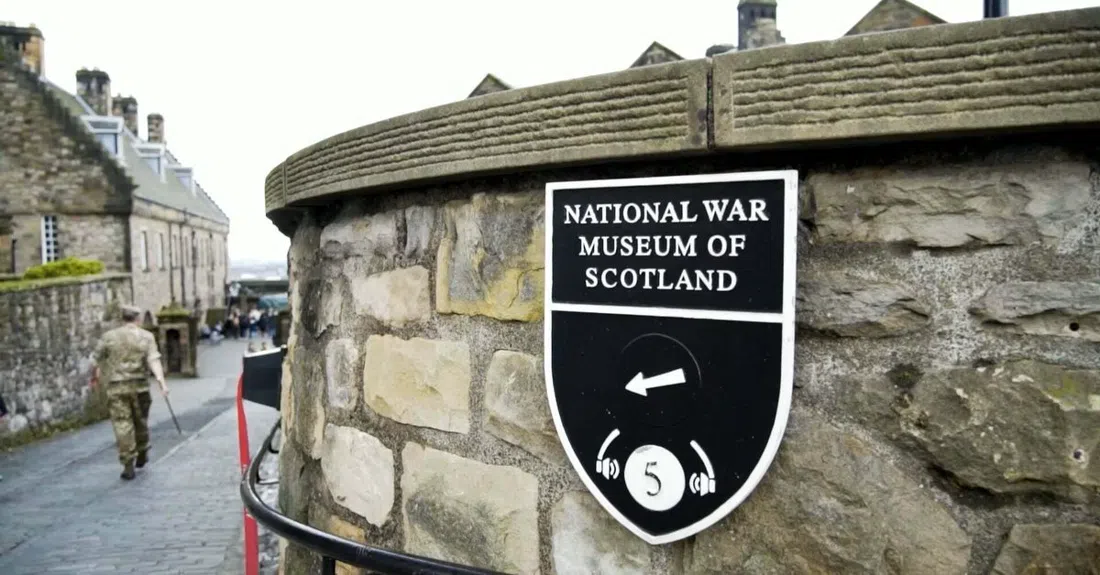
The piece most day-trippers walk straight past is the National War Museum (inside the walls, a couple of minutes from Crown Square). It is included in your castle ticket, run by National Museums Scotland rather than by the castle itself, and it is reliably the quietest set of galleries up there. It opens fifteen minutes after the castle and closes fifteen minutes before, so it is not somewhere to leave until last; but if the weather turns, and it will, this is the best sheltered hour on the rock. The Royal Scots regimental museum nearby closes 21 December to 5 January.
How long the rock honestly takes
Allow two and a half to three hours if you want the chapel, the Great Hall, the Honours, the prisons and the war museum without route-marching. Ninety minutes is the floor, and it means picking two of those and skipping the rest. The audio guide is £4 on top of admission; add it if you like context piped into your ear, skip it if you are the sort who reads every panel anyway, because the panels are good.
Budget extra for the approach. The walk up from the Royal Mile is cobbled and steeper than it photographs, and the Esplanade itself is exposed: there is no shelter between the ticket check and the gatehouse, so a fifteen-minute wait in horizontal rain is a real possibility. Under-16s must be accompanied by an adult, which catches out families who assume teenagers can roam ahead.
Booking ahead, the walk-up price, and the gate
Entry is by timed slot, booked in advance. Adult admission is £23.50 online against £26 at the gate, concessions £19 and £21, children aged 7 to 15 £14 and £15.50, under-5s free, and it is free with Historic Environment Scotland membership. That £2.50 gap is the least important reason to book: the castle's own site warns that tickets sell out far ahead in summer, and once the online stock for a slot is gone, nothing is sold at the gate. Turning up hopeful in August buys you a walk up a hill and a photograph of a queue.
There is a guided option that bundles a walking tour with your entry, and it is worth weighing rather than dismissing. Guided tours here run seven days a week and start from around 55 USD per person, roughly double a plain adult ticket, and the volume of feedback is substantial: close to 20,000 traveller reviews across the guided options on this rock, with the most-booked one rated 4.8 out of 5 from 6,809 reviews. You are paying for sequencing and stories, someone who knows which courtyard to hit first at 9.30 and can explain why the Great Hall roof matters. It is not a shortcut past history you would have understood fine on your own. If you read well and travel as a pair, the plain ticket is enough. If you are wrangling children, in-laws or a first-time-in-Scotland group who will otherwise drift, pay for the guide.
Eating inside the walls
The castle has exactly two places to eat and they serve opposite needs. The Tea Rooms at Edinburgh Castle (Crown Square, inside the walls) does proper sit-down service with bookable afternoon tea in the £30s a head, which suits two to six people who want to sit down and mean it. Large parties get pushed to the barrel-vaulted Redcoat Café instead, where light lunches run roughly £8 to £15 and the view over the New Town does most of the work. Both close before the castle does, so a late-afternoon slot means eating on the way out rather than on the way round.
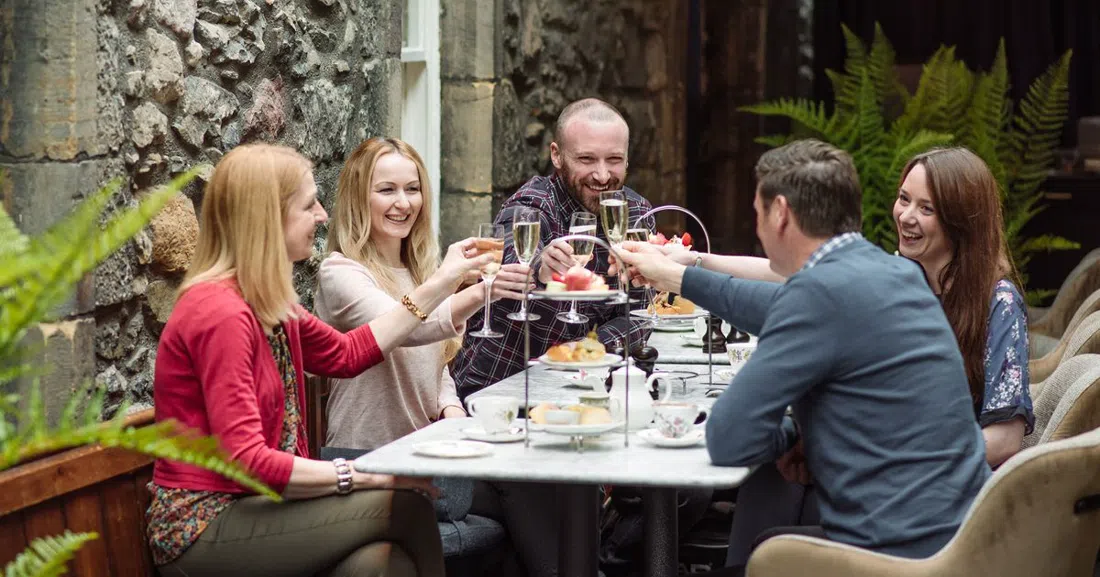
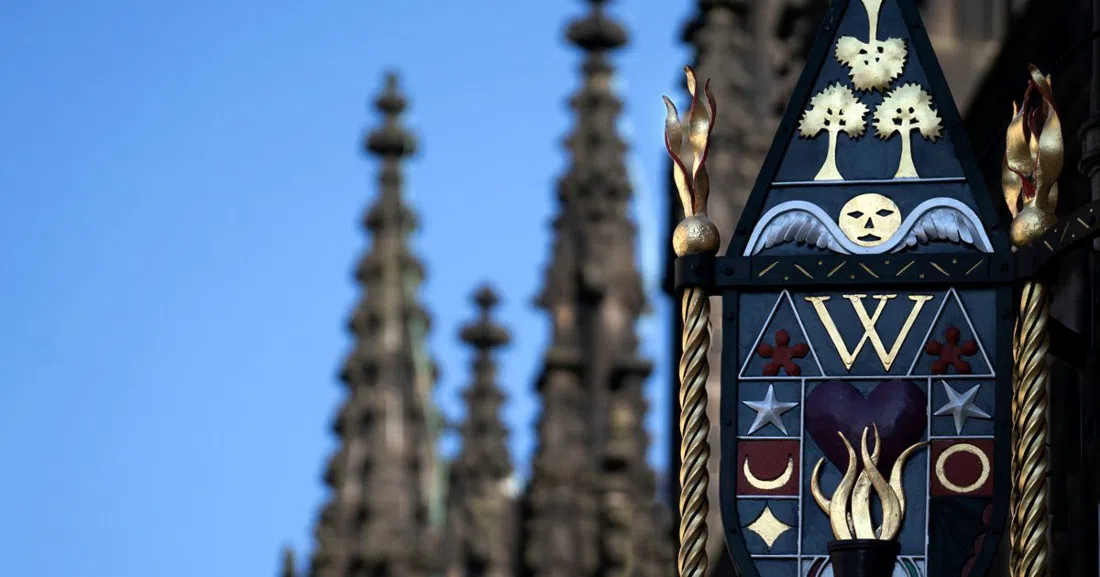
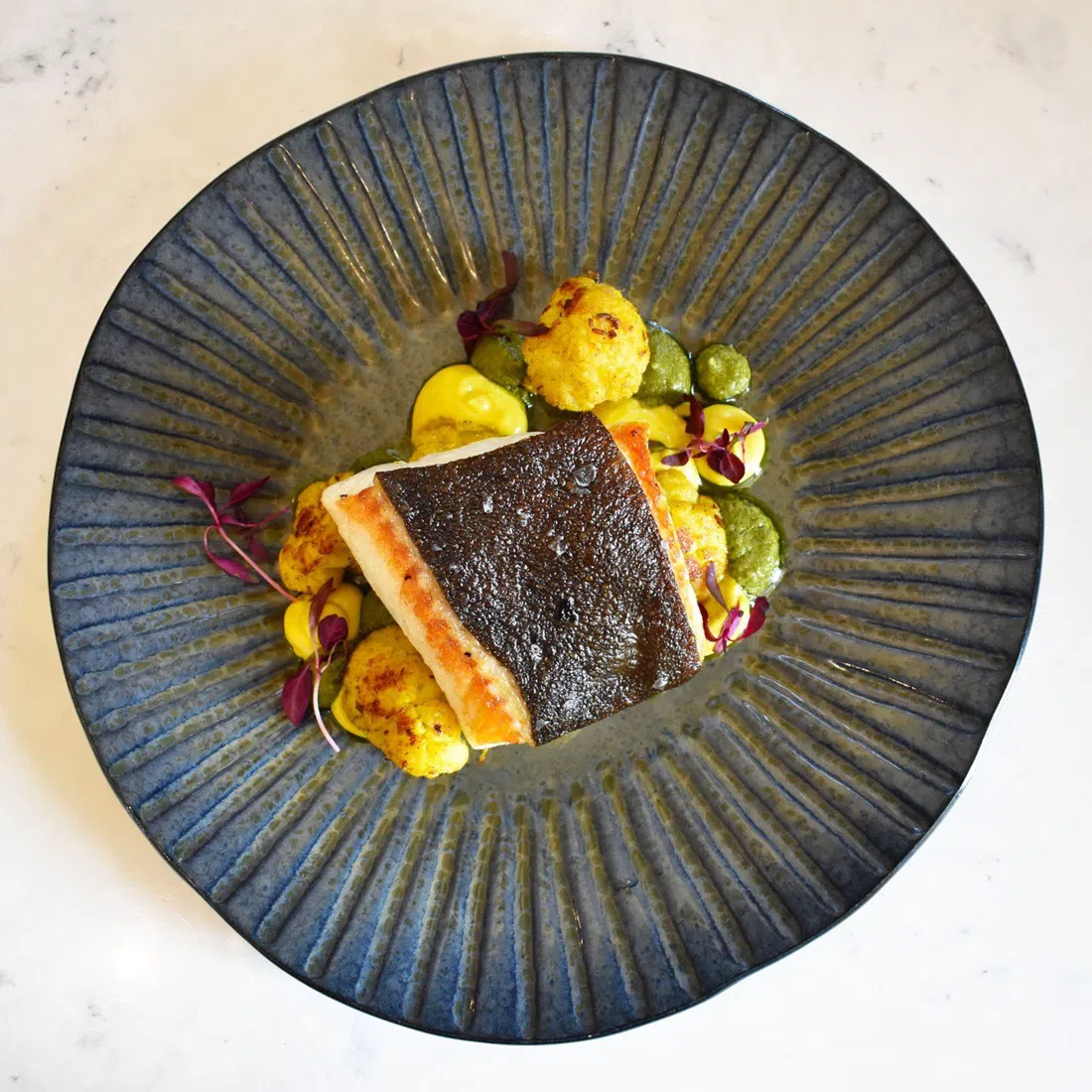
Just outside the gates, Cannonball Restaurant & Bar (Castlehill, facing the Esplanade) is the nearest proper meal, mains typically £20 to £35, set menus available, with a genuine cannonball lodged in the wall. It opens Tuesday to Saturday, noon to 10pm, which catches people out constantly because the rest of the Royal Mile trades seven days; build a Sunday plan around it and you will be eating a sandwich on a wall. The Witchery by the Castle (Castlehill, steps from the gates) is the obvious special-occasion dinner and the one people search for by name, but read the door policy before you romanticise it: maximum party size six, and no children under ten, infants included. Set lunch is £39.50 for two courses and £49.50 for three; dinner à la carte climbs well above that.
Filling ninety minutes before your slot
Everyone ends up with an awkward gap before a timed entry, and the streets immediately below the castle are unusually good at absorbing it. The Scotch Whisky Experience (Castlehill, directly opposite the Esplanade) runs set tours all day in as many as 21 languages: the Silver tour is £25 for 50 minutes and one whisky, Gold £39.75 for 75 minutes and five, and the three-hour Taste of Scotland with a three-course meal is £95. Gold and Taste of Scotland are 18-plus only. The bottle wall is the visual payoff and the restaurant upstairs is a genuinely good lunch rather than an attraction canteen.

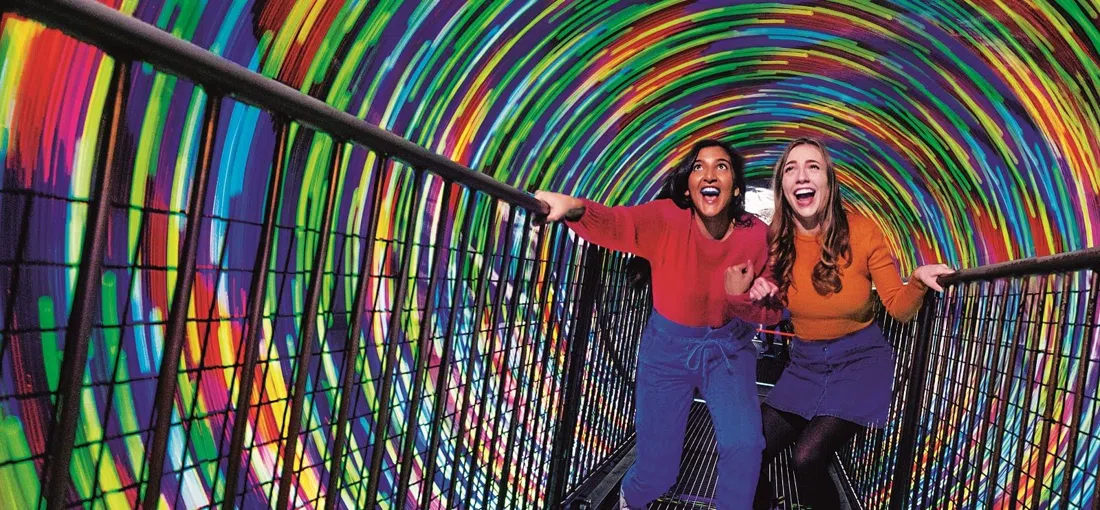
Camera Obscura & World of Illusions (Castlehill, closest neighbour to the castle gate) is the standard rainy-day pairing, but do not treat it as filler. Most visitors spend about an hour and three quarters inside, adult tickets are £24.95, children 5 to 15 £17.95, seniors and students £21.95, under-5s free, and there is roughly £4 off per ticket on the first pre-9am slot. The 173-year-old camera obscura itself needs daylight to work, so a black winter afternoon leaves you the illusion floors and not the thing the place is named after. Groups of 15 or more book direct by phone or email and get one free leader per 15 paying visitors.
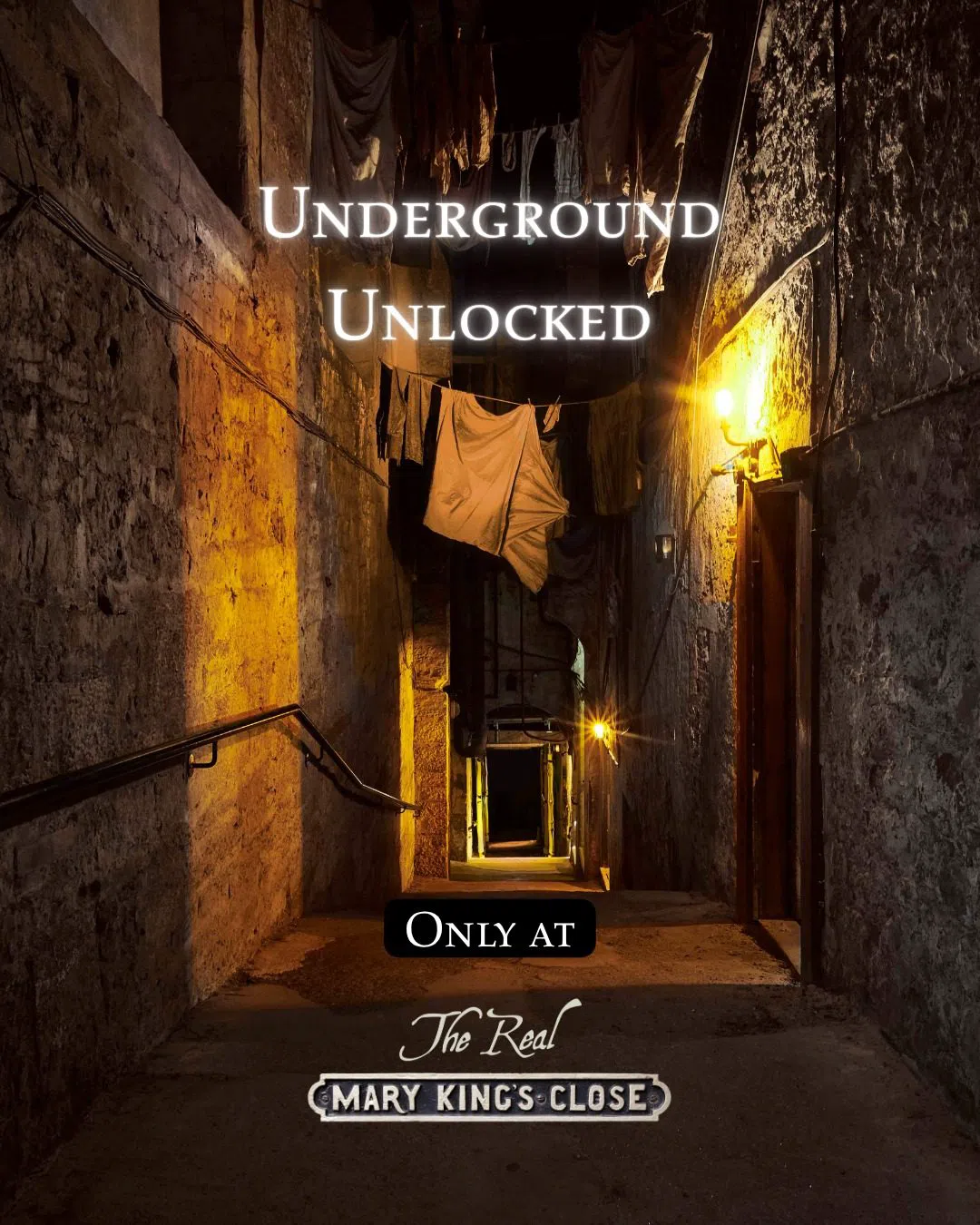
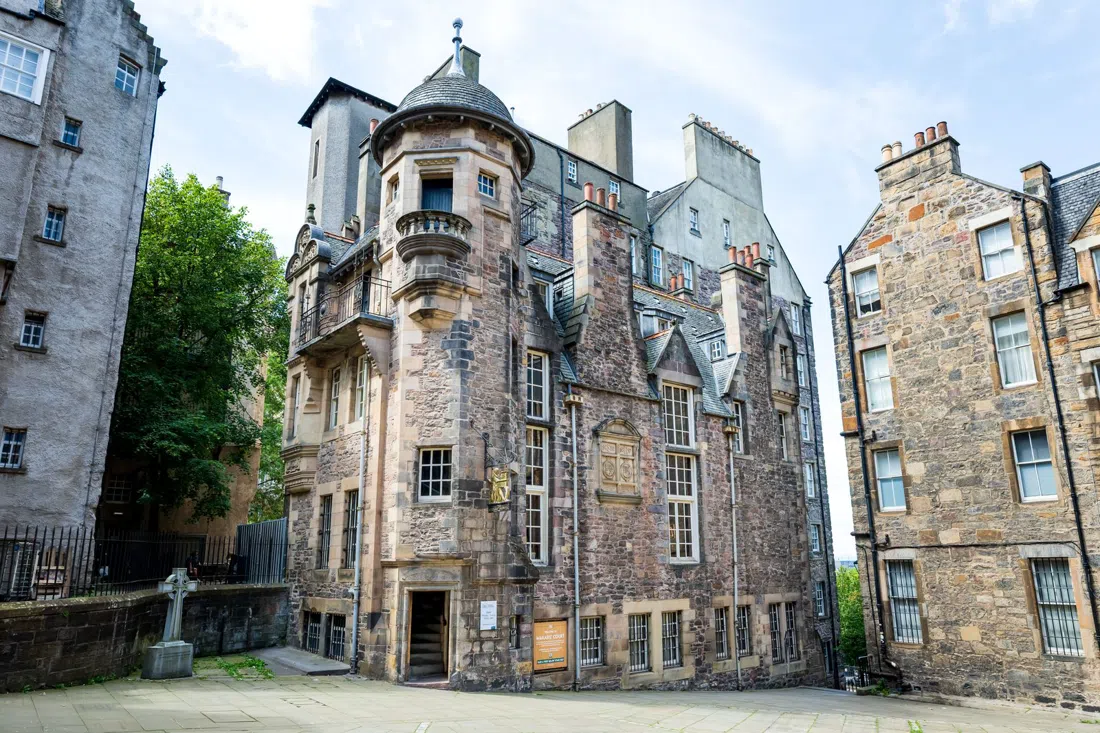
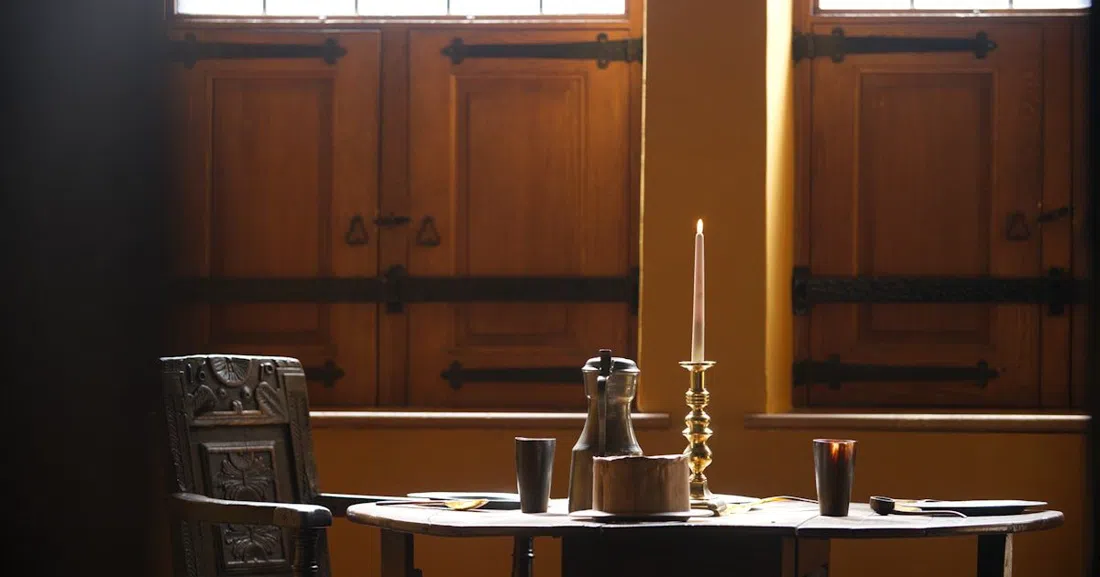
Two minutes downhill, Gladstone's Land (Lawnmarket) answers the question the castle does not: what people actually lived in up here. Self-guided entry until 2.30pm needs no booking, after which there is a 3pm guided tour; the restored painted ceilings are original, admission is modest and free for National Trust for Scotland members, and the ice cream parlour on the ground floor is free to walk into, dogs welcome. The stair is narrow enough that it works for a handful of people, not a coach. The Writers' Museum (Lady Stair's Close, off the Lawnmarket) is free, ninety seconds from the castle, and the cheapest way to burn forty minutes: tight stairs, low doorways, and it does not open every day, so check before you route a whole morning through it. If the sky has properly collapsed, The Real Mary King's Close (High Street, a short walk down the Royal Mile) is the strongest indoor counterweight in the Old Town, with fixed-size guided departures seven days a week, entirely undercover, and honest about being stairs, uneven floors and confined spaces throughout. Anyone with mobility or claustrophobia concerns should read its access page first rather than find out underground.
The best castle views cost nothing
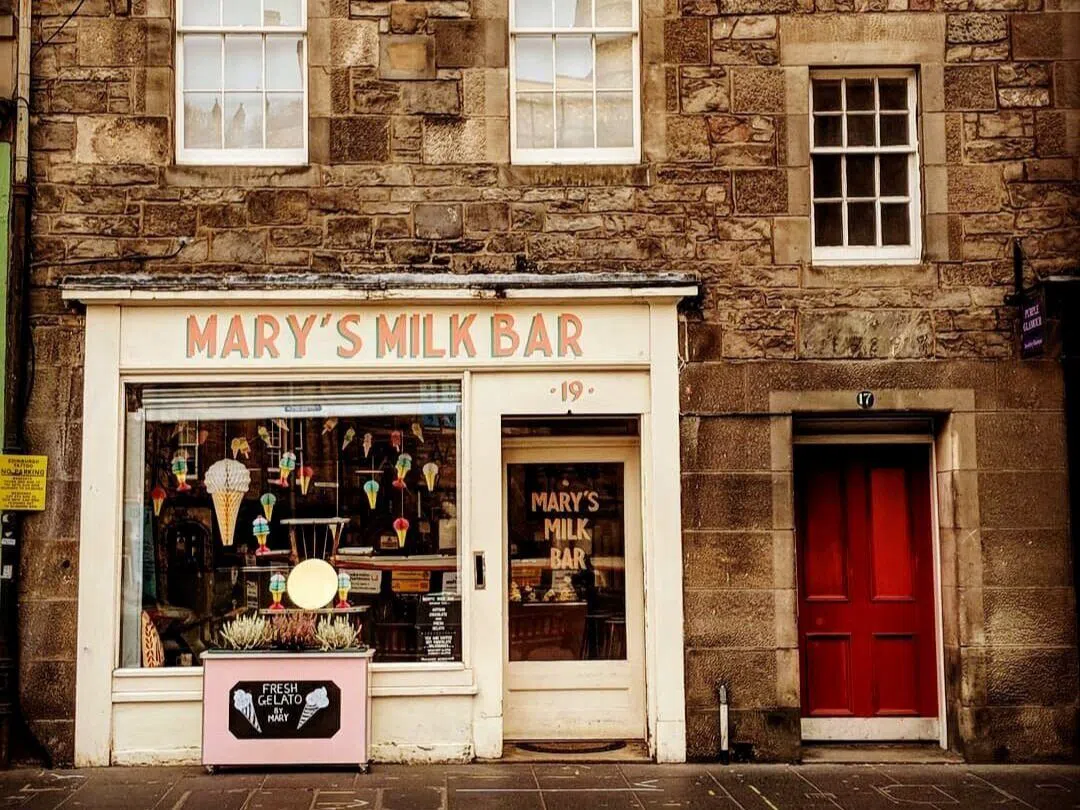
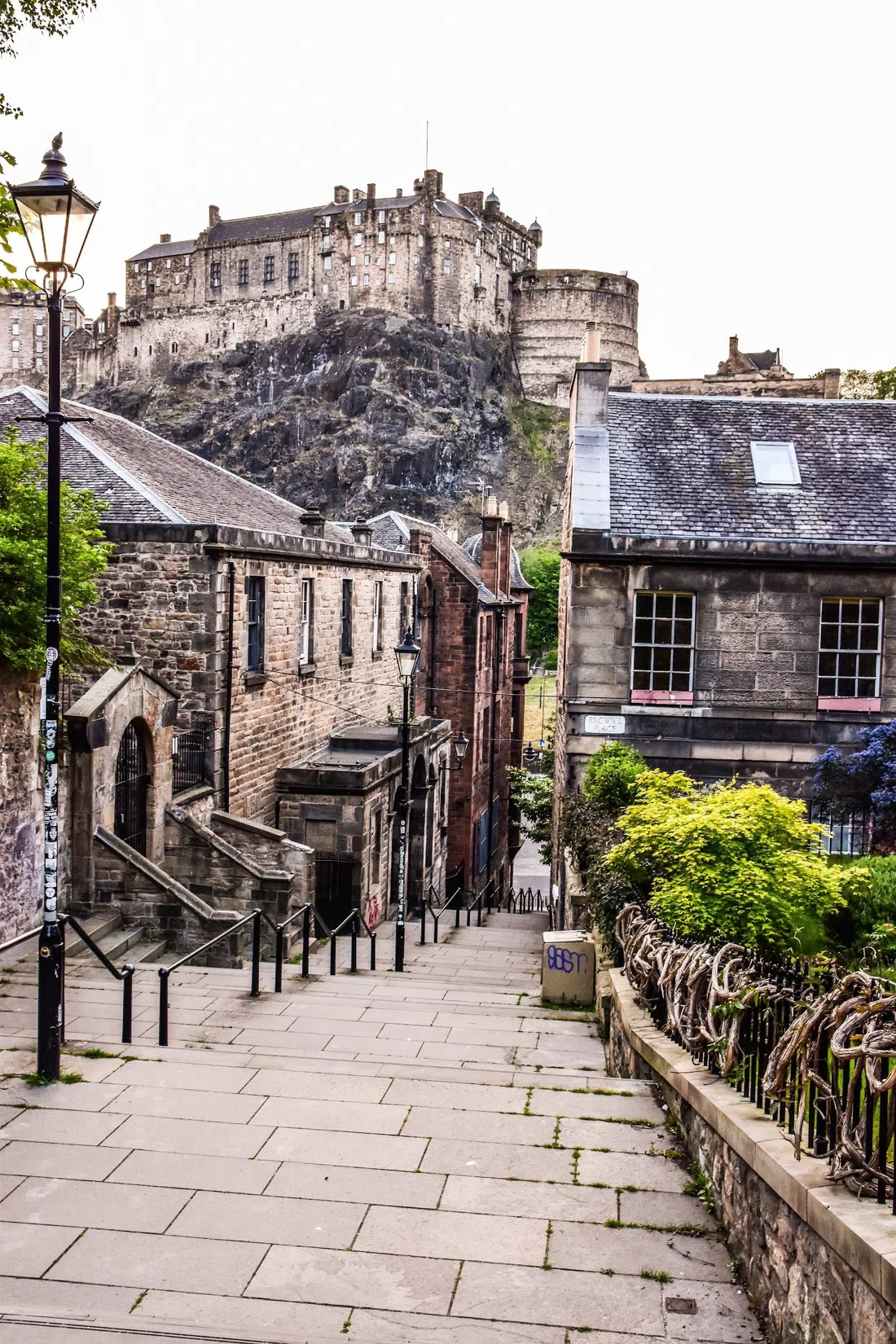
I will not send you to a viewpoint I have not stood on, and the three worth your legs are all free. The Vennel (stepped lane off the Grassmarket) gives you the south face, the raw cliff rather than the tourist frontage, framed between tenement walls, and it is the best free castle photograph in the city. Go at sunrise or late afternoon; once the Grassmarket wakes, the steps fill and there is nowhere to stand aside for residents trying to get home. At the foot of those steps, Mary's Milk Bar (Grassmarket) is the natural reward, a few pounds a scoop from a list that changes daily, counter service only with barely any seating, so a group collects and walks. It closes Mondays and often Tuesdays, which is precisely when people arrive expecting it.
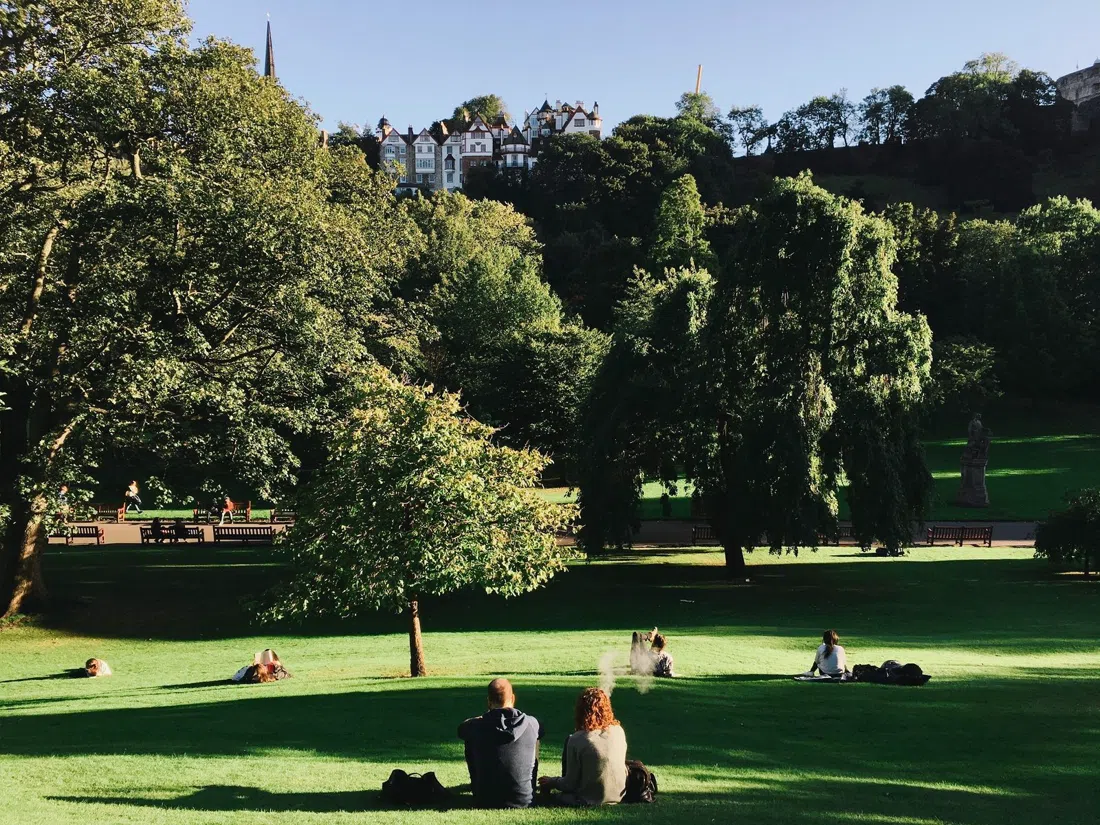
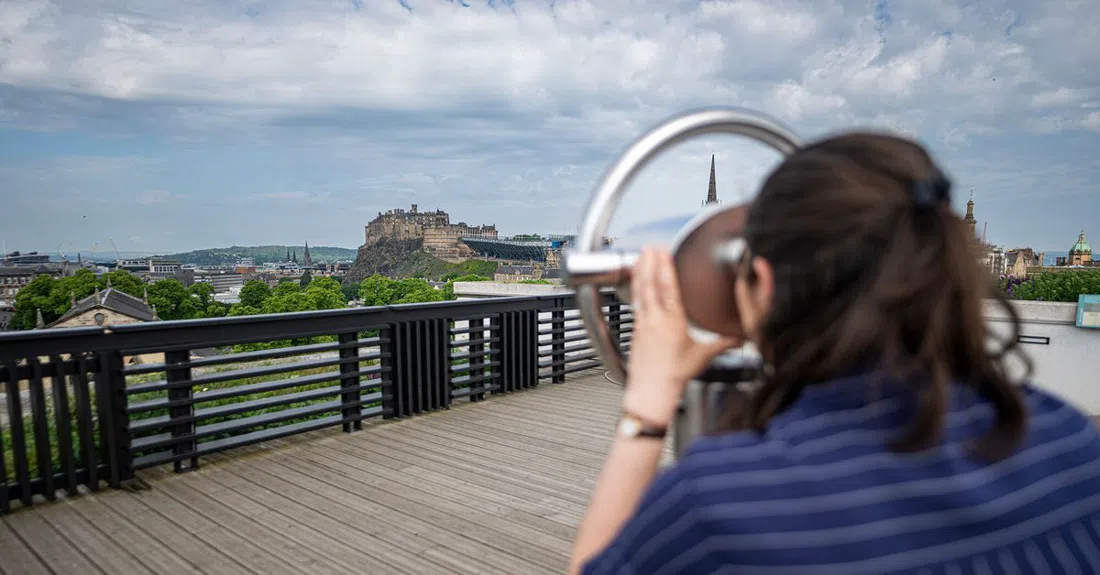
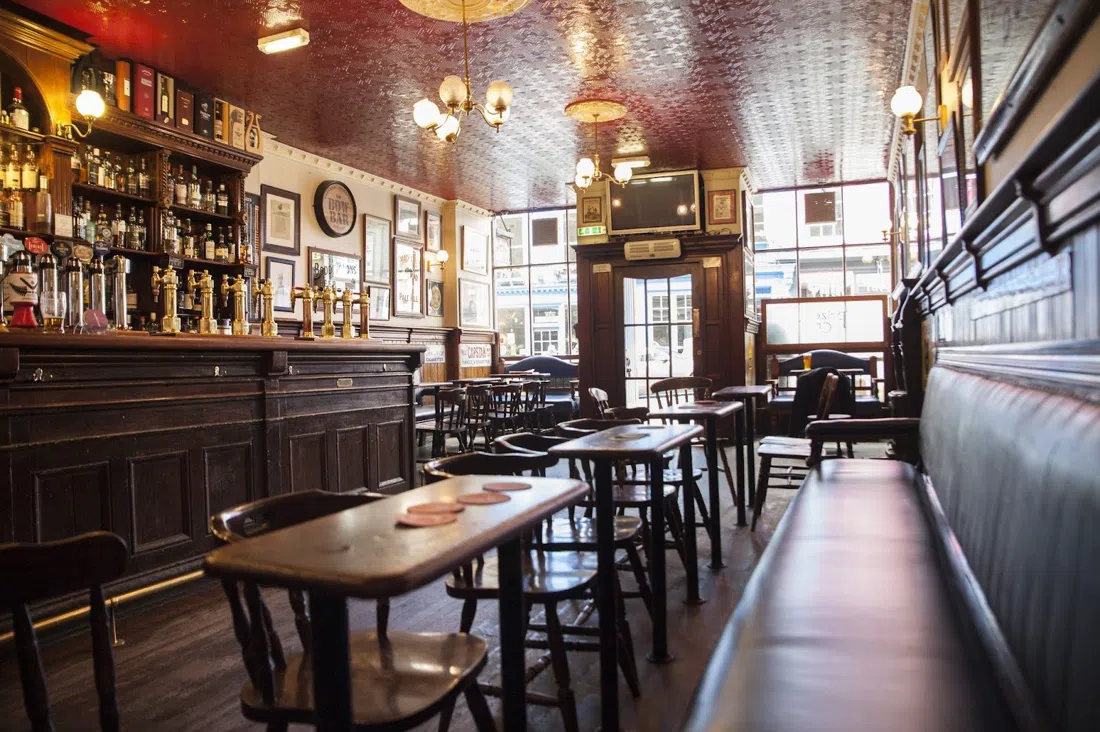
West Princes Street Gardens (below the north face, between the Old and New Towns) is where the castle looks like the picture in your head, from below and for nothing. Gates open at 7am and close at dusk, 6pm in winter, which makes it the ideal stop before a morning slot. For an elevated view with a roof over your head on the way, the National Museum of Scotland Roof Terrace (Chambers Street) is free to anyone who walks in, reached by three spiral flights from Level 5 or by the terrace lift, and it shuts with the museum at 5pm, earlier than the castle in summer. And when the drinking day ends, The Bow Bar (Victoria Street, on the curve below the castle) is the serious stop: no bookings, standing room only at peak, drams from a few pounds to collectors' money, twice named Best Bar in Scotland at the Scottish Hospitality Awards. Two or three people, not a party.
One warning about the frontage. The Royal Edinburgh Military Tattoo (on the Esplanade itself) builds an enormous grandstand across the castle's forecourt, and it stands for weeks either side of the August run; the 2027 dates are 6 to 28 August. If you want a clean photograph of the castle's face, plan around that window. If you want the Tattoo, it is built for groups, with group bookings and hospitality packages handled directly by the Tattoo Office and ticket bands from budget seats upward.

Is it worth it
Yes, with a caveat. At £23.50 online it is not cheap, the crowds are real, and a third of what you pay for is a view you can get for nothing from the gardens below. But nowhere else in Britain puts a royal palace, a garrison, a war museum, a medieval hall and a set of crown jewels on top of an extinct volcano in the middle of a working city, and standing on the Argyle Battery with the New Town laid out in grid lines below you is where the shape of Edinburgh finally makes sense. It suits first-time visitors, anyone with a real interest in Scottish history, and families with children over about seven. It suits you less if you have two days, hate crowds, and would rather spend the money underground or on a long lunch, in which case take the free views, do the Close, and let the rock be scenery.
Best time to go
The first slot of the day is the only genuinely quiet one. Book the earliest available entry, be on the Esplanade ten minutes before, and you will have the chapel and the Honours queue almost to yourself for the first half hour. The late-afternoon slots empty out again but cost you the cafés, which close early, and in winter you lose the light entirely. Midweek beats weekends; November through March beats everything for crowds, at the price of wind that will genuinely make your eyes water on the batteries.
Summer is the hard season, when the castle's own advice about selling out far ahead bites, so book weeks in advance rather than days. August compounds it with the Esplanade grandstand. If the forecast is filthy, the visit still works, because the war museum, the vaults and the Great Hall are all indoors; what you lose is the view, which is half the point. Wind is a bigger risk than rain: high winds can close exposed sections, and that is the day to take the museum roof terrace instead.
Practical notes
Walk to it. The castle sits at the top of the Royal Mile roughly ten to fifteen minutes uphill from Waverley station, and no bus or tram gets you closer than the streets you would have walked anyway; taxis stop short of the Esplanade. Wear something with grip, because the cobbles on Castlehill are polished and lethal when wet.
Cash is barely needed; cards work everywhere on the rock and in every venue above, though small counters like the gelato place appreciate not being handed a card for one scoop. Budget roughly £25 to £30 a head for the castle with an audio guide, £15 for a decent lunch inside the walls, and nothing at all for the gardens, the museum terrace and the Vennel. A full castle-plus-one-attraction day lands around £50 to £60 per adult before dinner.
Stay close if you can. Anything advertised as a castle-view apartment or a room on the Grassmarket side carries a premium, and it buys you the two things that matter here: a nine o'clock slot without a cross-city commute, and the rock lit up at night from your own window. Start with an Edinburgh hotel search, and for what to do with the rest of your days once the rock is ticked off, the wider Edinburgh guide covers the ground below the hill.