The Edinburgh issue
Forged in Fire: The Volcanic Bones Beneath Edinburgh
A grounded, boots-on walker's guide to the extinct volcanoes, crags and plugs the city was built on — from the summit everyone climbs to the gannet-white rock you reach by boat.

By Margaux SinclairThe city read by its closes and stairwells
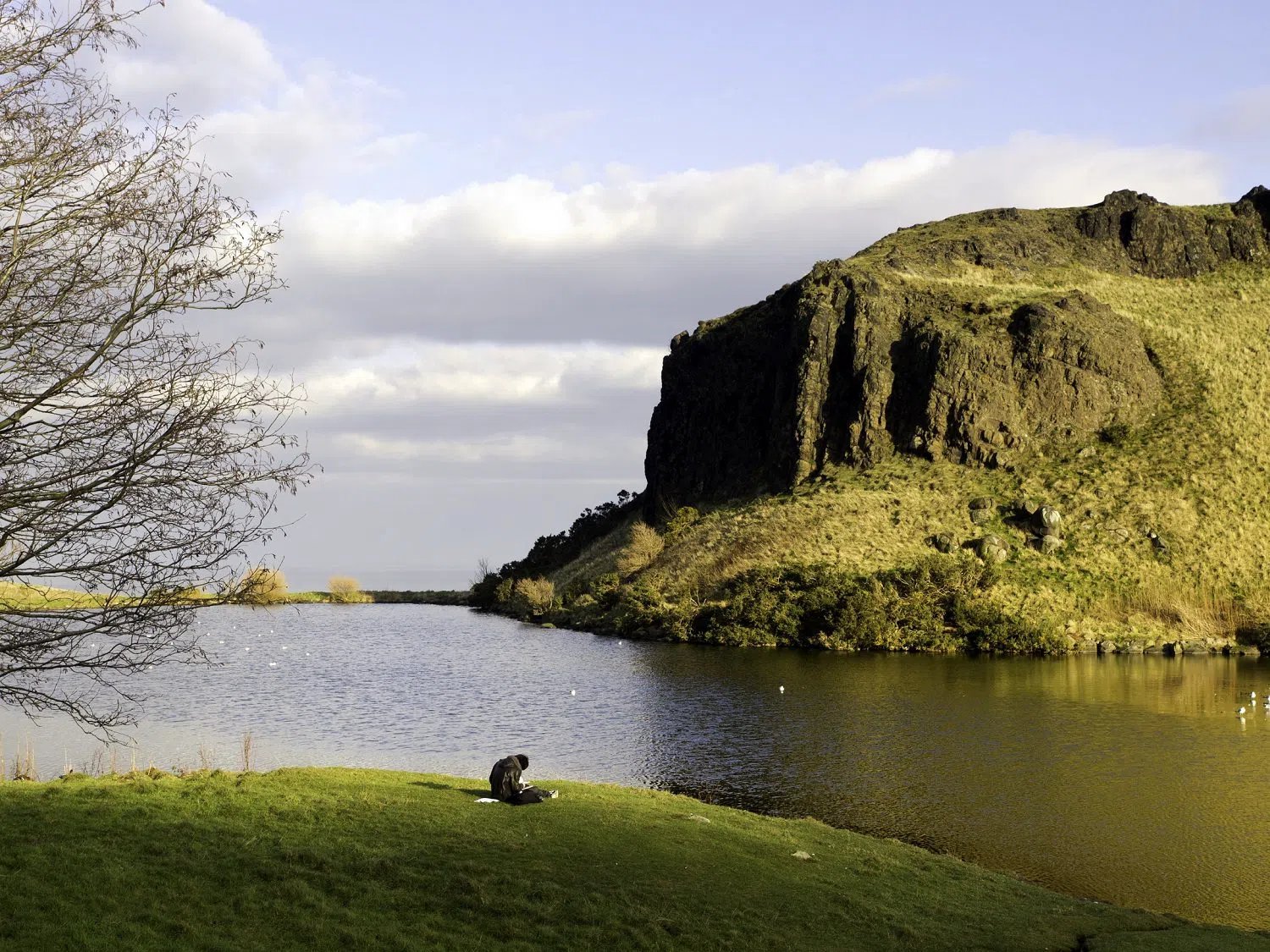
The city you walk through was once the inside of a volcano. Not near one — inside it. Edinburgh sits on the worn-down roots of vents that last threw fire around 340 million years ago, and the skyline you keep photographing is simply the geology's leftovers: plugs, crags, and a long ridge planed flat by ice. Most people spend three days here without once realising they are standing on the plumbing of a dead volcano — which, I think, is the best-kept secret in a city that keeps almost none.
What follows is not a list of pretty overlooks I read about. Every summit here is one I've climbed, in weather that ranged from theatrical to punitive, and I've tried to be honest about which suit a big loud group, which suit two people and a flask, and which will end a friendship if you attempt them in the wrong shoes. This pairs with the wider Edinburgh guide if you want restaurants and the rest; here we are strictly interested in rock.
The two summits everyone actually means
When a stranger tells you to "climb the hill," they mean Arthur's Seat (Holyrood Park, dead centre of the city). This is the 350-million-year-old extinct volcano marooned in the middle of a capital, and it is the single must-do — the eroded plug summit sits at the end of a moderate 1.5–2 hour round trip, and on a clear day the reward is a genuine 360° sweep out over the Firth of Forth. It's free, there's nothing to book, and it swallows big groups happily; the classic Edinburgh group hike is exactly this. My one caution is that everyone treats it as a stroll and it is not — the last pull to the top is a proper scramble on greasy basalt, and I've watched more than one person summit a volcano in white trainers and descend on their dignity.
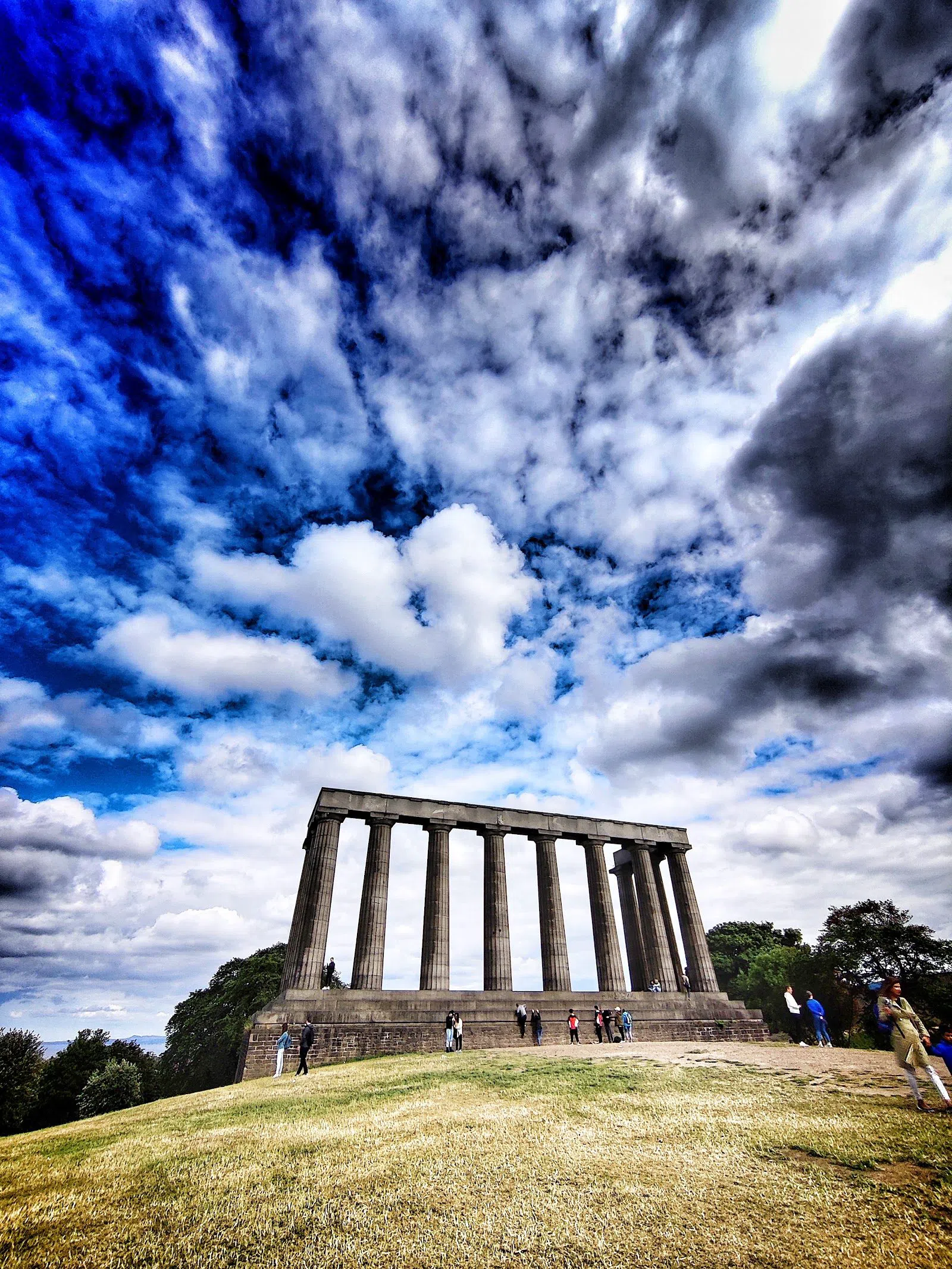
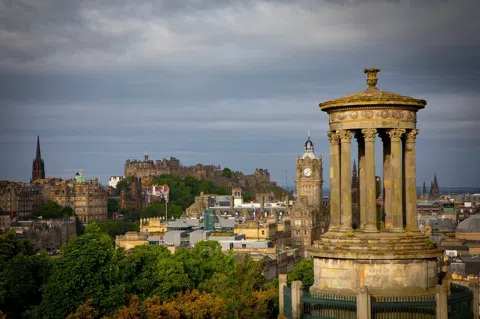
If your party is mixed — a grandparent, a toddler, someone who has firmly declared they are "not a hill person" — send them up Calton Hill (east end of Princes Street, rising above the New Town) instead. It is the most group-friendly of all the volcanic summits: a five-minute climb, no fitness barrier, and the postcard view of the entire city laid out below the neoclassical follies on top. It's free and unrestricted, and it is busiest and best at sunset, which is precisely when you want a viewpoint that costs nothing and asks nothing of your knees. The wry truth is that half the "Arthur's Seat at golden hour" photographs you've admired were quietly taken from here, by people who couldn't be bothered with the real climb and were entirely right.
Plan your Edinburgh trip
Live prices from our booking partners.
Free cancellation on many rooms. We may earn a commission when you book.
Where modern geology was born
The most important rock in Edinburgh is one almost nobody climbs on purpose. Salisbury Crags & the Radical Road (Holyrood Park, the great curved curtain of rock slung below Arthur's Seat) is where James Hutton, walking this ground, worked out that the crag had been forced up as molten rock between older layers — proof that the Earth was unimaginably old and still cooking. Hutton's Section, the exact spot, is the birthplace of modern geology, and standing at it is one of those rare travel moments where the scenery is also an idea. Be warned before you plan around it: the low Radical Road path directly beneath the crags was closed by rockfall back in 2018 and is only partially reopening in early 2026, timed to the 300th Hutton anniversary — so check the current status before you promise anyone the full loop. The crag-top paths above are open, free, and fine for groups; it's the pretty low route along the base that remains the moving target.
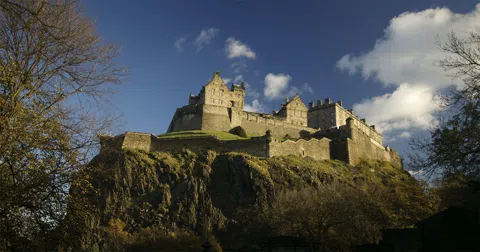
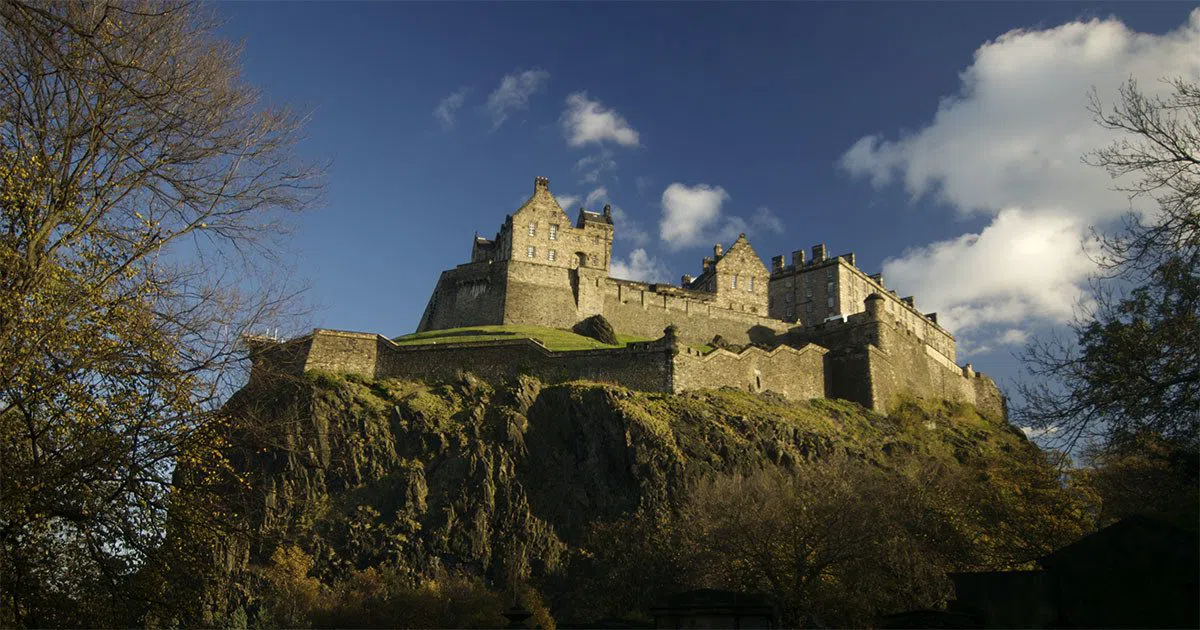
From the crags you can see the payoff of all that geology holding up the Old Town. Edinburgh Castle Rock (Old Town, looming over Princes Street Gardens) is the textbook example every schoolchild in the country is shown: a volcanic plug so hard it shielded the softer rock behind it as the glaciers ground east, leaving a long tapering ridge — the "crag and tail" — that the entire Old Town is built along. The rock itself is free to view and to walk around from the gardens below, and honestly that's where the geology reads best. The castle interior is a separate proposition: ticketed, timed, roughly £20 for an adult, and if you're bringing a group you must book ahead or you'll be turned away at the gate. Skip the paid interior with a clear conscience if it's the volcano you came for — the plug tells its story just as well from the grass.
The quiet hills, for groups who've had enough of crowds
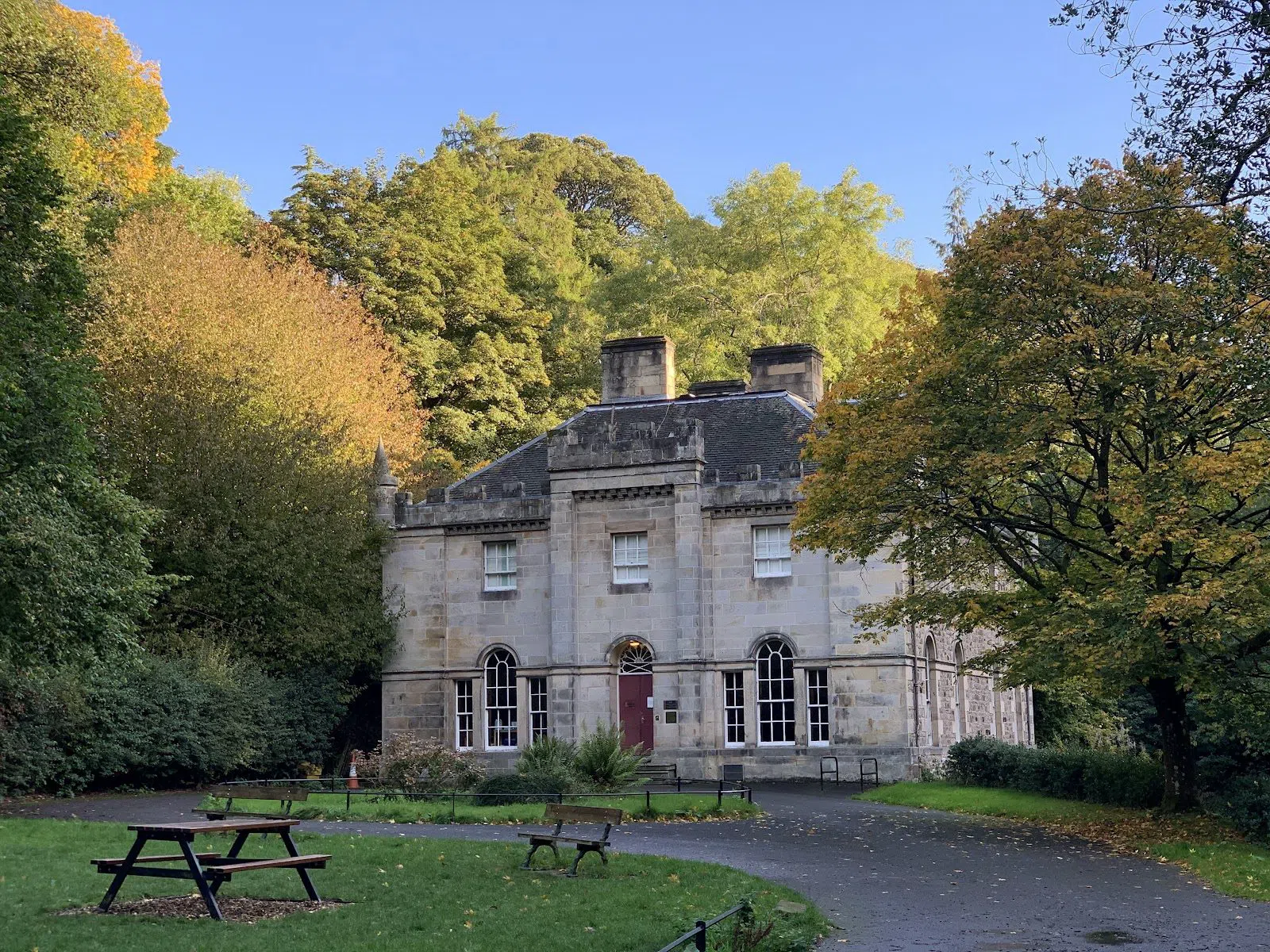
There is a whole second tier of volcanic hills that the coach tours never reach, and they are where I send anyone who has already done Arthur's Seat and found it a touch too much like a queue. Blackford Hill & Hermitage of Braid (south of the centre) is a roughly 410-million-year-old lava hill wrapped in a genteel wooded glen, with the Royal Observatory on top and an Edinburgh Geological Society interpretive trail to walk you through what you're looking at. Wide paths make it easy on a group, it's free, and it is markedly calmer than the marquee climbs — the sort of place where the loudest thing is usually a dog that has found something appalling in the burn.
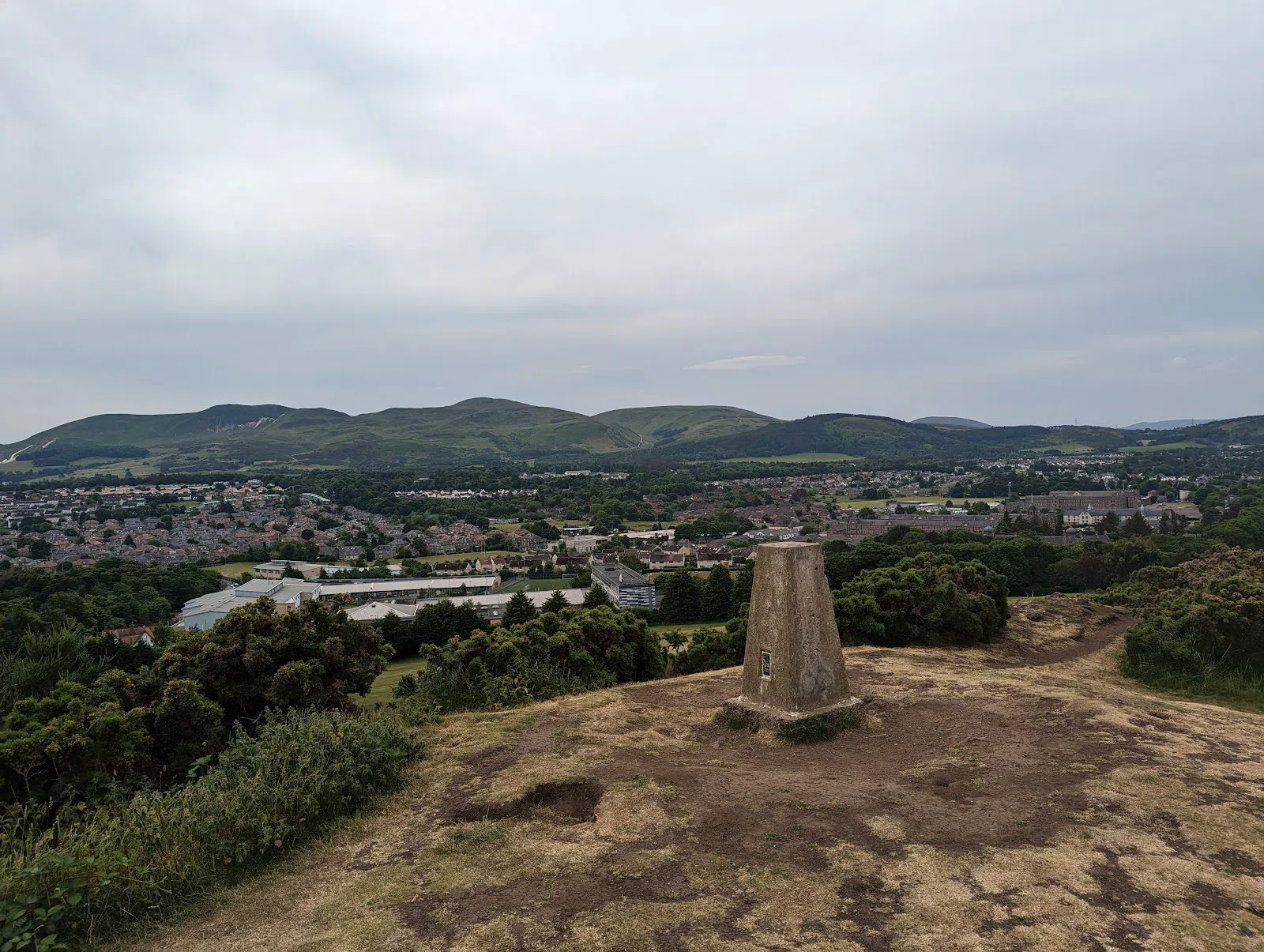
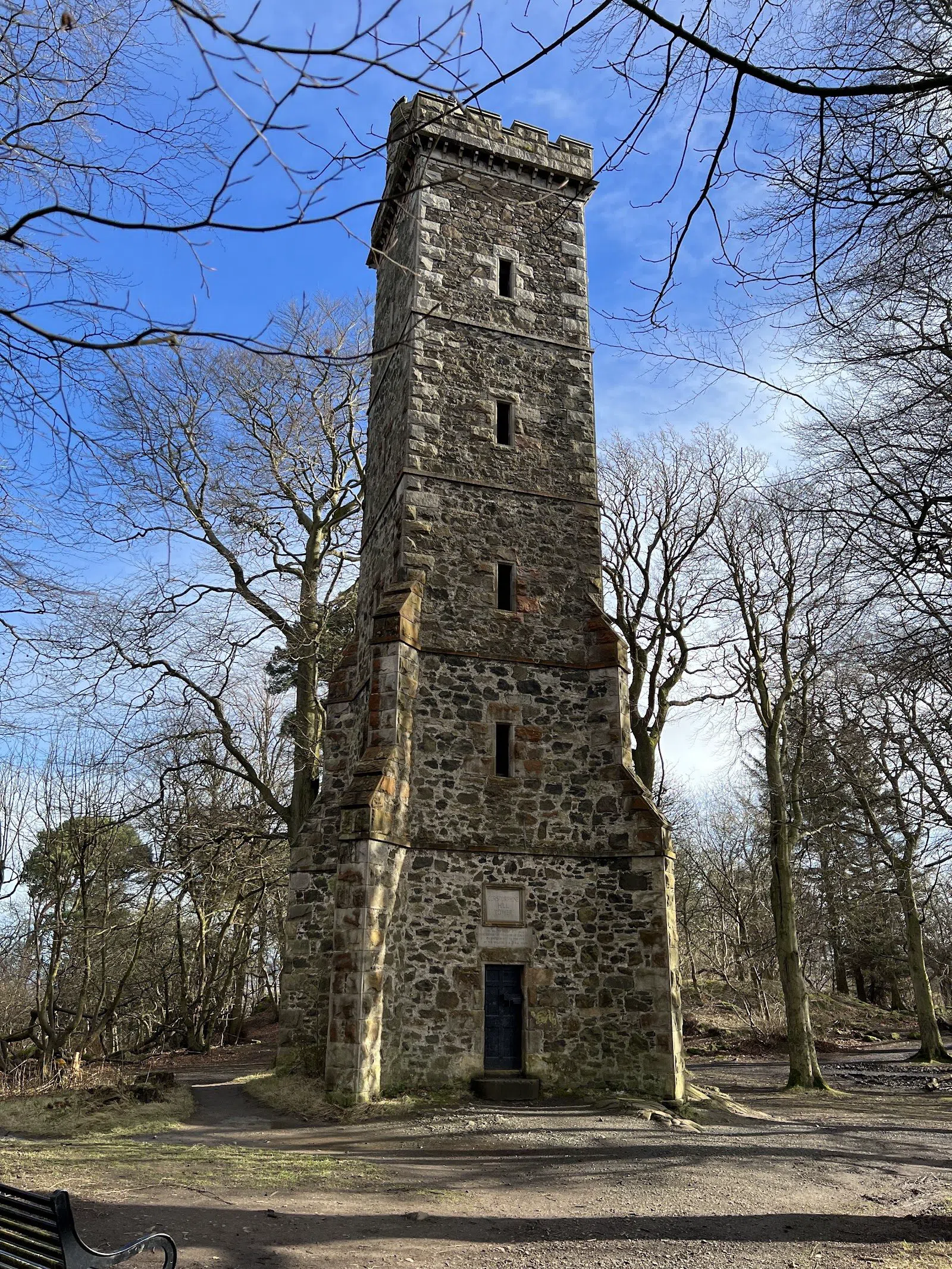
Corstorphine Hill (west of the centre, right beside the zoo) is the city's leafiest volcanic ridge, ice-smoothed until the glacial striations — the scratch-marks left by moving ice — are still legible in the bare rock if you know to look down. It's a low-effort woodland walk on shaded trails, free, and its neighbour makes it easy to build a longer family day if half the group would frankly rather look at pandas than plugs. Nearby, Craiglockhart Hills (south-west of the centre) are a little-known pair of steep-sided volcanic knolls for walkers actively trying to escape everyone else; the reserve is free, rarely busy, and comfortable for a small-to-mid group. Neither hill will trouble a seasoned walker, which is precisely their charm — you get the smug feeling of a summit for about a quarter of the effort, and I refuse to apologise for enjoying that.
Proper hillwalking, on the doorstep
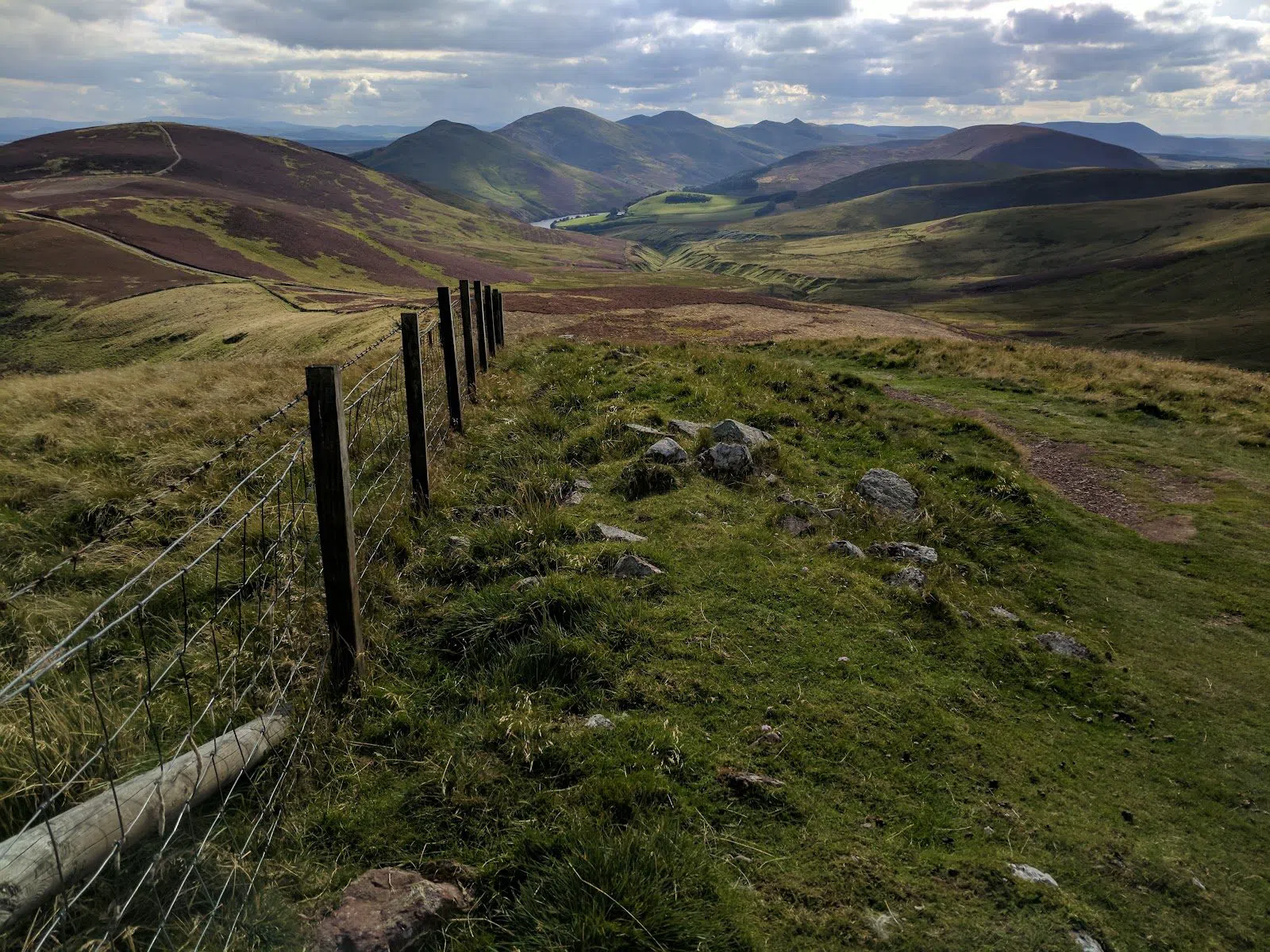
If your idea of a good day involves actual distance and a bit of suffering, the Pentland Hills Regional Park (along the southern edge of the city) is Edinburgh's real hillwalking, close enough to reach on a local bus. These are Devonian sedimentary and volcanic uplands rising to 579m at Scald Law, with a range of routes and a genuine sense of being somewhere remote despite the city sitting just behind you. Open access is free, groups are very welcome, and this is the one place on this list where I'd genuinely steer a larger or less-experienced party toward a ranger- or operator-guided traverse — reckon on around £30–60pp — because the weather up here turns faster than anywhere else near the city, and a guide is the difference between a proper half-day and a sheepish early retreat.
The volcanic coast: a day out east
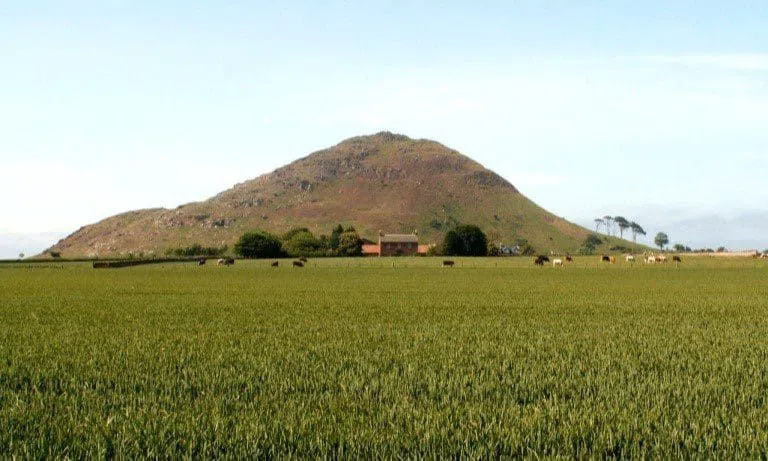
For the most photogenic geology of the lot, get on a train and head for the East Lothian coast. North Berwick Law (East Lothian, 30–40 minutes by train) is a perfect textbook volcanic plug — a green cone standing alone above the shore — and an easy day trip: a short, sharp, waymarked climb of about 45 minutes, free, with a summit crowned by a replica whalebone arch and studded with Napoleonic- and WWII-era relics that make it unusually characterful for a hill you can climb before lunch. Groups manage it fine; just accept that "short and sharp" means genuinely steep, and that the wind at the top has been known to renegotiate people's hairstyles permanently.
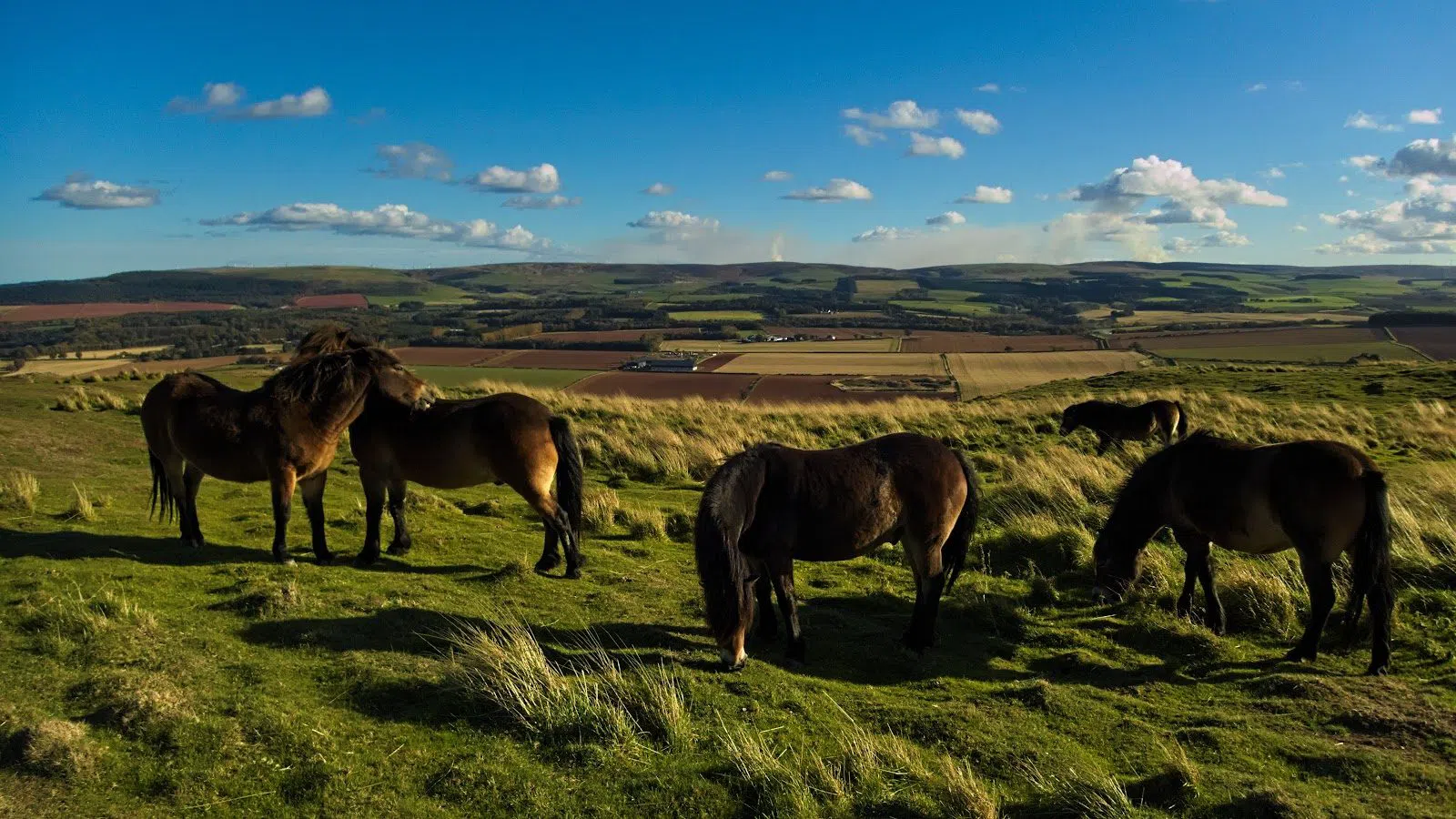
Inland from there, Traprain Law (East Lothian, no direct rail — you'll need a car or a lift) is the connoisseur's choice: a magma laccolith, a blister of rock that swelled up under the surface without ever quite erupting, and one of Scotland's great ancient hillforts, where the astonishing Traprain Law silver hoard was unearthed. It's free, open, a short but steep grassy pull to the top, and there are no facilities whatsoever on site, so bring what you need and lower your expectations of a café. It's quieter and more history-soaked than its coastal neighbour — the pick for the group that likes a summit with a story attached.
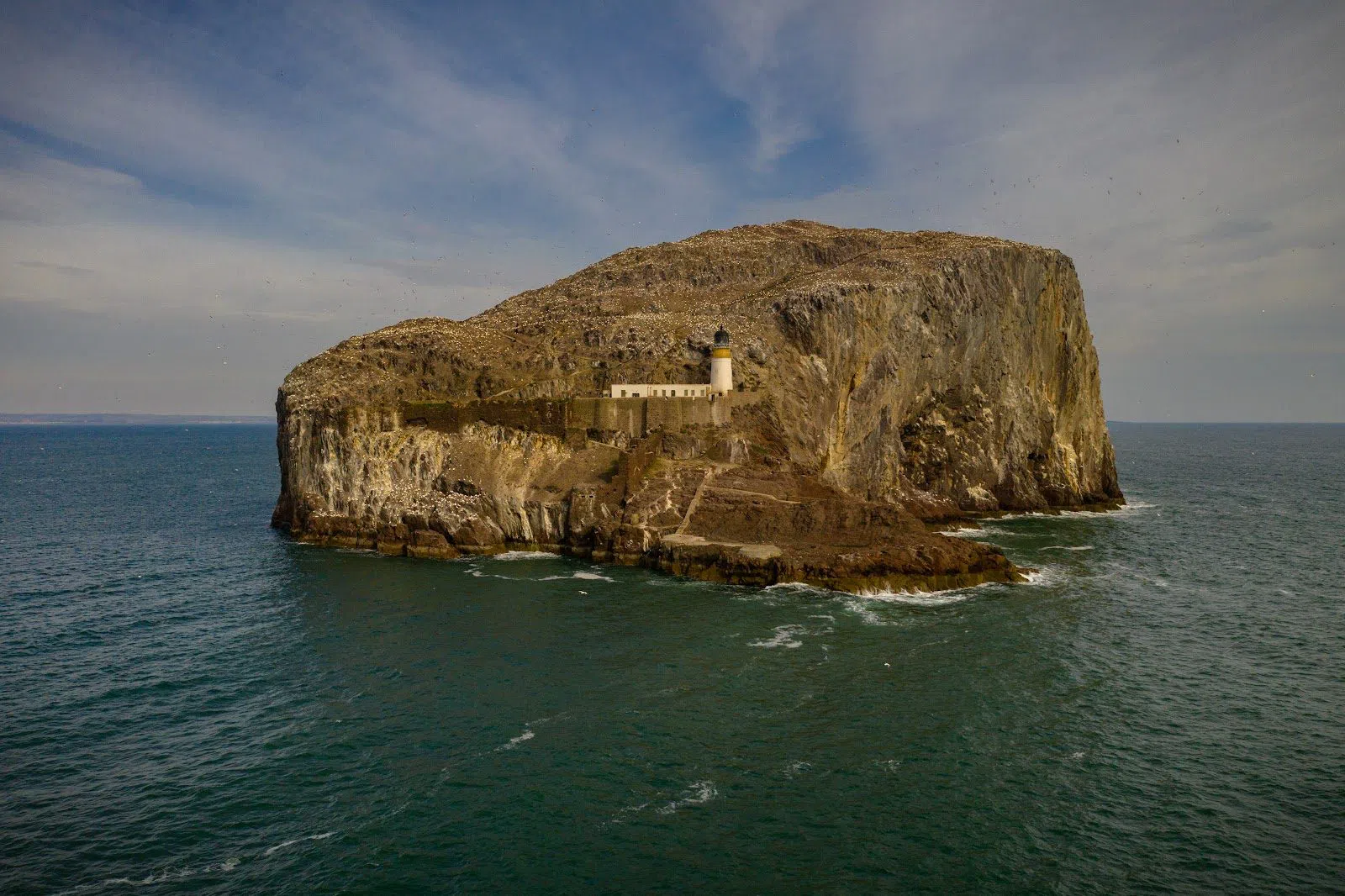
The finale needs no walking at all. Bass Rock (a volcanic island off the East Lothian coast) is a plug twin to North Berwick Law, and in season it turns white — not with snow, but with the world's largest colony of Northern gannets, birds packed onto every ledge. You reach it on Scottish Seabird Centre boats, seasonal and firmly book-ahead, with trips running from around £28 for a catamaran cruise to as much as £165 per person for a landing. It's pure volcanic geography read from the water rather than the boot, and pairing it with the Law makes the eastern leg feel complete. Bring a waterproof and a strong stomach; the swell out there does not care that you paid for the premium option.
Let someone who knows the rock do the talking
If you want the geology explained properly rather than guessed at, two operators do it well and both are built for groups. Geowalks (run by Dr Angus Miller, a professional geologist) is the specialist pick — walks led by an actual earth scientist decoding Arthur's Seat's vents and lava flows, pitched at all abilities, with public walks around £20pp and private or group rates on request. If your party contains even one person who asks "but how do they know it was a volcano," book this and enjoy watching them get a real answer for once.
For something more narrative, the Edinburgh Walks — Three Volcanoes Tour (a guided walking operator, private and small-group by arrangement) ties Castle Rock, Arthur's Seat and Calton Hill into a single themed walk, layering the human history on top of the geology. It's explicitly group-oriented and priced per group, so you enquire rather than buy a per-head ticket. Think of it as the tidy narrative spine to Geowalks' deep-focus science — where the former tells you what the rock did, the latter tells you what people then did with it, and between them you leave understanding the city in a way most residents never bother to.
Practical notes
Transport. The volcanoes in the city — Arthur's Seat, Calton Hill, the Crags, Castle Rock, Blackford, Corstorphine, Craiglockhart — are all walkable or a short local bus from the centre; buy a day bus ticket rather than fumbling for change on each leg. For the East Lothian hills, North Berwick is a 30–40 minute train and the most reliable public-transport day out; Traprain Law realistically needs a car or a booked driver, and Bass Rock means pre-booking a boat.
Cash and cards. Every hill on this list is free to walk. The costs are optional: castle entry (~£20 adult), a Pentlands guided walk (~£30–60pp), a Geowalks ticket (~£20pp), and the Bass Rock boats (~£28–£165pp). Card is accepted almost everywhere, but carry a little cash for the smaller coastal operators.
Timing. Aim for Calton Hill at sunset and Arthur's Seat mid-morning before the crowds and the afternoon wind. Save the East Lothian coast and Bass Rock for your clearest forecast day — a gannet colony in flat grey light is a waste of a good boat ticket. Check the Radical Road's 2026 reopening status before building a Holyrood plan around it.
Where to stay. Base yourself centrally so the in-city hills are on foot and the trains are close; start with an Edinburgh hotel search and prioritise the Old Town or the east end over anywhere that needs a taxi to reach a summit.
Budget. A determined walker could do every free hill here across two or three days for the price of bus and train fares alone — perhaps £30–40 in transport — and the whole thing tells you more about how this city came to exist than any ticketed attraction will.
Before you go
Is Edinburgh really built on a volcano?
Yes. The city sits on the eroded roots of volcanoes that last erupted around 340 million years ago. Arthur's Seat is the extinct volcano itself, while Castle Rock is a volcanic plug — hard rock that shielded the softer ground behind it during glaciation, forming the ridge the Old Town is built on.
How long does it take to climb Arthur's Seat, and how hard is it?
Allow 1.5–2 hours for the round trip. It's a moderate climb rather than a stroll — the final pull to the summit is a scramble on rock that gets slippery when wet, so wear proper shoes. It's free, needs no booking, and easily takes large groups.
Which Edinburgh volcanic hill is easiest for a mixed-ability group?
Calton Hill. It's a five-minute walk to the top with no real fitness barrier, it's free and unrestricted, and it delivers the classic city-wide view. It's ideal for groups that include children, older walkers or anyone who's declared themselves 'not a hill person' — best at sunset.
Can I visit Bass Rock, and how much does it cost?
You reach Bass Rock by boat with the Scottish Seabird Centre from the East Lothian coast, seasonally and by advance booking. Trips run from around £28 per person for a catamaran cruise up to about £165 for a landing. It hosts the world's largest Northern gannet colony, so pick a clear-weather day.
Is the Radical Road under Salisbury Crags open in 2026?
Only partially. The low Radical Road path was closed by rockfall in 2018 and is set to partially reopen in early 2026, timed to the 300th anniversary of James Hutton's work. The crag-top paths above remain open and free, but check the current status before planning around the lower route.